12 Landscape Design Ideas for Small Backyards
Landscape design ideas for small backyards that maximize space, add privacy, and create a functional outdoor retreat on any size lot.
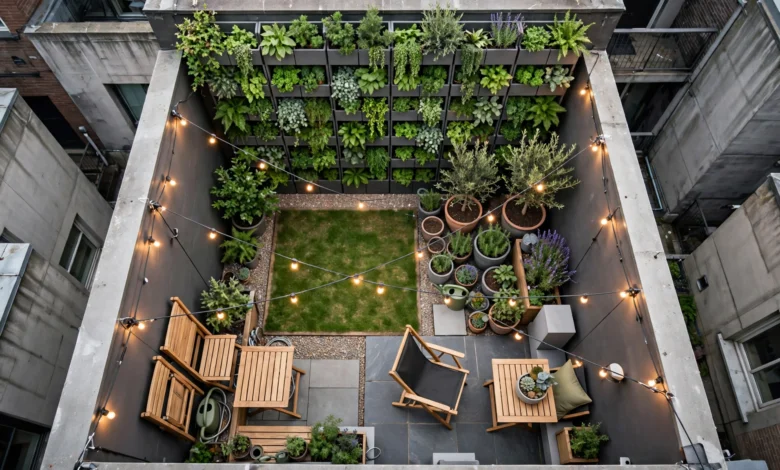
Landscape Design Ideas: 12 Proven Backyard Transformations You’ll Love
Introduction
Landscape design ideas for small backyards require a different approach than planning a sprawling estate garden. When square footage is limited, every element needs to earn its place, whether that’s a seating area, a garden bed, or a simple path connecting one corner of the yard to another. The good news is that a small backyard doesn’t have to feel cramped or uninspired. With the right layout choices, plant selection, and a few clever design tricks, even a modest outdoor space can feel open, functional, and genuinely enjoyable to spend time in.
Many homeowners assume small yards limit their options, but in reality, tight spaces often push designers toward more creative solutions than sprawling properties do. Vertical gardens, multi-purpose furniture, tiered plantings, and strategic lighting can all make a compact backyard feel significantly larger than its actual footprint.
In this guide, we’ll walk through 12 practical and stylish landscape design ideas specifically suited to small backyards. Each idea includes tips on execution, rough cost expectations, and what to consider before committing to a particular layout. Whether you’re working with a narrow city lot, a compact suburban yard, or an awkwardly shaped space, there’s likely an idea here that fits your situation and your budget.
Why Small Backyard Landscape Design Requires a Different Strategy
Before jumping into specific ideas, it helps to understand why small-space design isn’t just a scaled-down version of larger landscaping projects. In a compact yard, sightlines matter more, materials need to work harder, and every square foot has to justify its function.
A few core principles guide most successful small backyard designs:
- Prioritize function first. Decide whether the space is primarily for entertaining, gardening, relaxing, or a mix of all three before choosing features.
- Use vertical space. When floor space is limited, walls, fences, and trellises become valuable real estate for plants and storage.
- Limit the material palette. Too many different materials (stone, wood, gravel, concrete) in a small area can make it feel cluttered rather than cohesive.
- Create a focal point. A single strong feature, like a fire pit or a sculptural tree, gives the eye somewhere to rest instead of bouncing around a busy layout.
With those principles in mind, here are 12 landscape design ideas that work particularly well for smaller outdoor spaces.
1. Build a Multi-Level Deck or Patio
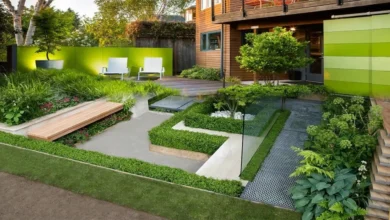
Adding elevation changes, even subtle ones, can make a small backyard feel more dynamic and spacious than a single flat surface. A raised deck section for dining, paired with a lower patio area for lounging, creates distinct zones without needing extra square footage.
Cost consideration: Multi-level decking typically costs more than a single-tier design due to additional structural framing, so budget an extra 15-20% compared to a flat deck of the same size.
2. Use Vertical Gardens and Living Walls
Vertical gardening is one of the most effective landscape design ideas for small backyards because it adds greenery without eating into usable floor space. Living walls, hanging planters, and trellis systems let you grow herbs, flowers, or climbing vines up rather than out.
- Herb walls near a kitchen door for easy cooking access
- Climbing vines like jasmine or star jasmine on trellis panels for privacy
- Modular planter systems that attach directly to fences
3. Install a Compact Water Feature
A small fountain, bubbling urn, or narrow reflecting pool adds a sense of tranquility without requiring much space. Water features also help mask street noise, which is particularly useful for urban or narrow lots close to neighbors.
Tip: Choose a self-contained, recirculating unit rather than a plumbed-in feature to keep both installation cost and maintenance simpler.
4. Define Zones with Ground Materials
Using different ground textures, like gravel for a seating nook and pavers for a walking path, helps visually separate areas of a small yard without needing walls or fences to do it. This technique, sometimes called “zoning,” is one of the simplest ways to make a compact space feel intentionally designed rather than randomly arranged.
5. Add a Fire Pit as a Focal Point
A fire pit works well in small backyards because it naturally draws seating into a tight circle, making efficient use of limited space while creating a strong visual anchor. Options range from simple portable fire bowls to built-in gas fire features.
- Portable fire pits: $100 to $500
- Built-in gas fire features: $2,000 to $6,000 depending on materials and gas line installation
6. Choose Dwarf and Compact Plant Varieties
Standard-sized shrubs and trees can quickly overwhelm a small yard. Opting for dwarf cultivars, compact ornamental grasses, and slow-growing shrubs keeps the scale of your plantings proportional to the space.
Good options for small yards include:
- Dwarf Japanese maples
- Compact boxwood varieties
- Miniature roses
- Dwarf ornamental grasses like Little Bunny fountain grass
7. Maximize Privacy with Strategic Screening
Privacy is often a bigger concern in small backyards, especially in urban or suburban neighborhoods with close property lines. Rather than a solid fence, which can make a small space feel boxed in, consider layered screening:
- A low fence or wall as the base structure
- Climbing vines or espaliered plants for softness
- A row of narrow, upright trees like Italian cypress for height without bulk
This layered approach maintains privacy while keeping sightlines open enough that the yard doesn’t feel enclosed.
8. Incorporate Multi-Purpose Furniture
Storage benches, fold-down tables, and modular seating let a small backyard adapt to different uses throughout the week. A bench that doubles as planter storage or a table that folds flat against a wall when not in use keeps the space flexible rather than permanently committed to one layout.
9. Use Mirrors and Reflective Elements Carefully
Outdoor mirrors, when installed on a fence or wall, can create the illusion of a larger space by reflecting greenery and light. This trick works particularly well in shaded, narrow side yards. Choose weatherproof, shatter-resistant outdoor mirrors specifically designed for garden use rather than repurposing indoor mirrors.
10. Add a Pergola or Shade Structure
A pergola creates a defined outdoor “room” within a small backyard, giving the space a sense of structure and purpose. Adding climbing plants like wisteria or grapevine to the top softens the structure and adds seasonal shade.
Cost consideration: A basic wood pergola kit typically runs $1,500 to $4,000, while custom-built structures with electrical or lighting integration can run higher.
11. Design a Kitchen Garden or Raised Bed System
Raised garden beds are especially practical for small yards because they contain plant growth to a defined footprint and allow better control over soil quality. A compact kitchen garden with herbs, tomatoes, and leafy greens can fit into even a narrow side yard or corner space.
- Standard raised bed sizes for small yards: 4×4 feet or 4×8 feet
- Vertical stacking planters for extremely limited space
- Container gardening as an alternative for renters or temporary setups
12. Install Landscape Lighting to Extend Usability
Good lighting design makes a small backyard usable well past sunset and adds depth and dimension after dark. A layered lighting approach, combining path lights, uplighting on trees or architectural features, and string lights over a seating area, creates ambiance without overwhelming the space.
According to the Royal Horticultural Society, thoughtful lighting design is one of the most cost-effective ways to extend how often a garden space gets used throughout the year, particularly in climates with shorter daylight hours.
Budgeting for Small Backyard Landscape Design
Small yards don’t always mean small budgets, since compact spaces sometimes call for higher-end finishes to make the design feel intentional rather than sparse. Here’s a rough breakdown of what small backyard projects typically cost:
- Basic refresh (new plants, mulch, minor hardscaping): $1,000 to $4,000
- Mid-range renovation (patio, lighting, planting design): $4,000 to $15,000
- High-end small yard transformation (pergola, water feature, custom hardscaping): $15,000 to $40,000+
Working with a landscape designer experienced in small-space projects can help avoid the common mistake of overcrowding a compact yard with too many competing features. The American Society of Landscape Architects notes that scale and proportion are often the biggest challenges in small residential landscape design, more so than budget itself.
Common Mistakes to Avoid in Small Backyard Design
- Overplanting. Cramming too many plant varieties into a small space creates visual clutter rather than lush abundance.
- Ignoring scale. Oversized furniture or large-canopy trees can dominate a small yard and make it feel even more cramped.
- Skipping a focal point. Without a clear visual anchor, small yards can feel busy and unfinished even with nice individual elements.
- Underusing vertical space. Flat, ground-level designs waste an opportunity that walls and fences provide for free.
- Choosing high-maintenance plants. Small gardens still require upkeep, and demanding plant varieties can quickly turn a beautiful design into a chore.
Conclusion
Small backyards come with real constraints, but those constraints often lead to more thoughtful, creative outcomes than sprawling properties ever require. From multi-level decking and vertical gardens to fire pits, layered privacy screening, and smart lighting design, there are plenty of proven ways to make a compact outdoor space feel functional, private, and genuinely inviting. The key is prioritizing what matters most for how you’ll actually use the space, choosing a cohesive material and plant palette, and resisting the urge to cram in more features than the yard can comfortably hold. With the right combination of these 12 ideas, even the smallest backyard can become one of the most-used spaces in the home.