Landscape Designer Tips for Homes in California
Landscape designer tips for California homeowners cover drought planning, wildfire safety, and native plants for a resilient yard.
Landscape Designer Tips for Homes in California: 7 Essential Strategies for a Successful Yard
Landscape designer tips for California homes need to account for a very different set of realities than most of the country. Between recurring drought conditions, strict water use regulations, wildfire risk in many communities, and a huge range of microclimates from coastal fog belts to inland desert heat, designing a yard that actually thrives here requires much more regional knowledge than a generic landscaping approach. A design that works beautifully in a lush, rainy climate can struggle badly, or run up against local water restrictions, if it isn’t adapted specifically for California conditions.
This guide brings together practical landscape designer tips for homeowners across California, covering how to design around drought and water restrictions, choose the right native and drought-tolerant plants, plan for wildfire-resistant landscaping in high-risk areas, and understand the state and local regulations that shape what you can actually build in your yard. We’ll also cover budgeting realistically, working with irrigation systems designed for water efficiency, and how to choose a designer with genuine experience in your specific microclimate.
Whether you’re working with a small urban lot in Los Angeles, a suburban yard in the Central Valley, or a larger property in a wildfire-prone foothill community, the fundamentals of smart California landscaping stay consistent, even as the specific plant palettes and design details shift by region. Let’s walk through what you need to know to create a yard that’s beautiful, resilient, and realistic to maintain given California’s specific climate demands.
Why California Landscaping Requires Regional Expertise
California’s size and geographic diversity mean that landscaping advice that works in one part of the state can be completely wrong for another. A knowledgeable designer offering genuine landscape designer guidance should understand these regional differences deeply, not just apply a one-size-fits-all approach.
Understanding Your Specific Microclimate
Coastal areas often deal with salt air, fog, and cooler temperatures, while inland valleys face intense summer heat and significant temperature swings between day and night. Mountain and foothill communities bring their own combination of elevation, soil type, and wildfire exposure. Before any design work begins, your designer should assess:
- Average rainfall and typical dry season length for your specific area
- Soil composition, since California ranges from sandy coastal soil to heavy clay in many inland regions
- Sun exposure and wind patterns specific to your property’s location and orientation
Water Restrictions and Local Ordinances
California’s water challenges have led to specific regulations that directly affect landscape design. The California Department of Water Resources oversees the Model Water Efficient Landscape Ordinance, which sets requirements for water-efficient design on many new and renovated landscape projects throughout the state. You can review the specifics of this ordinance and how it may apply to your project at water.ca.gov.
1. Prioritize Drought-Tolerant and Native Plant Selection
Choosing the right plants is one of the most impactful decisions in any California landscape design, both for water conservation and long-term maintenance.
Benefits of California Native Plants
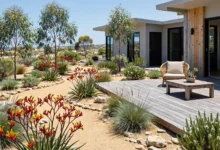
Native plants have adapted over thousands of years to the state’s specific rainfall patterns, soil conditions, and seasonal temperature swings, which means they generally require significantly less water and maintenance once established compared to non-native ornamentals.
- Native plants typically support local pollinators and wildlife more effectively
- Many require minimal supplemental watering after an initial establishment period
- They’re often naturally more resistant to local pests and diseases
Popular Drought-Tolerant Options by Region
Coastal areas often do well with plants like California lilac, coast live oak, and various manzanita species, while inland and desert regions may lean toward options like California poppy, desert marigold, and various native sage varieties. A knowledgeable designer will adjust plant selection specifically to your region’s rainfall and temperature patterns rather than applying a generic “drought-tolerant” list.
2. Design Around Water Efficiency From the Start
Given California’s recurring drought cycles and increasingly common water restrictions, designing for water efficiency isn’t optional, it’s a fundamental part of responsible landscape planning.
Choose Efficient Irrigation Systems
Drip irrigation systems deliver water directly to plant root zones, significantly reducing waste compared to traditional spray sprinklers. Ask your designer about:
- Smart irrigation controllers that adjust watering schedules based on weather data
- Drip irrigation zones tailored to different plant water needs
- Rainwater capture systems to supplement irrigation during wetter months
Consider Xeriscaping Principles
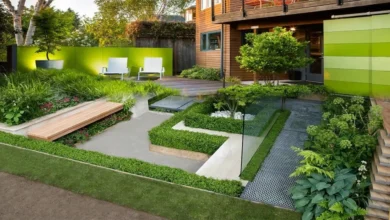
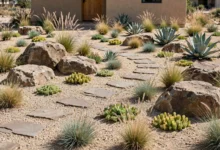
Xeriscaping focuses on reducing or eliminating the need for supplemental irrigation through smart plant selection, efficient design, and reduced turf areas. This doesn’t mean a yard full of gravel and cactus, thoughtfully designed xeriscapes can be lush and visually striking while using dramatically less water than a traditional lawn-heavy landscape.
Reduce or Replace Traditional Lawn Areas
Traditional turf grass is one of the highest water-consuming elements in most yards. Many California homeowners are replacing large lawn areas with a combination of native groundcovers, drought-tolerant plantings, and hardscape features like patios or decomposed granite pathways.
3. Plan for Wildfire-Resistant Landscaping in High-Risk Areas
Many California communities, particularly in foothill and forested regions, fall within areas of significant wildfire risk. Thoughtful landscape design plays a real role in protecting a home during wildfire events.
Understand Defensible Space Requirements
California law requires specific defensible space zones around homes in high fire-risk areas, generally structured in zones extending outward from the home with different vegetation management requirements at each distance. A designer experienced in wildfire-prone regions should understand these zone requirements and design accordingly.
Choose Fire-Resistant Plants and Materials
- Select plants with high moisture content and low resin or oil content, which burn less readily
- Avoid dense, continuous vegetation that allows fire to spread quickly across a property
- Use hardscape materials like stone or gravel to create fire breaks near structures
- Keep vegetation properly spaced and maintained, especially within the zone closest to your home
Work With Local Fire Authority Guidelines
Local fire departments and California’s state fire agencies often provide specific guidance on defensible space and fire-resistant landscaping tailored to your exact region’s fire risk level. Reviewing these guidelines with your designer ensures your landscape plan meets both aesthetic goals and safety requirements.
4. Choose a Landscape Designer With Regional Experience
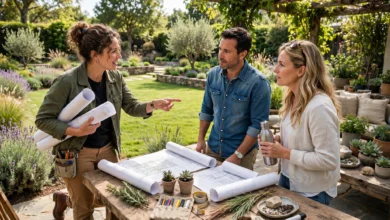
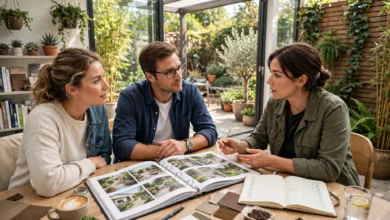
Not every landscape designer has deep experience with California’s specific climate and regulatory challenges, so vetting candidates carefully matters more here than in less complex climates.
Ask About Experience With Your Specific Region
A designer with strong experience in coastal Southern California may not have the same depth of knowledge for high desert or Sierra foothill conditions. Ask directly:
- How many projects have you completed in my specific climate zone?
- What’s your approach to selecting plants that balance water efficiency with visual appeal?
- Do you have experience navigating local water efficiency ordinances and permitting requirements?
Look for Familiarity With Local Rebate Programs
Many California water districts offer rebate programs for turf removal, efficient irrigation upgrades, and drought-tolerant landscaping. A knowledgeable designer will often be familiar with these programs and can help you take advantage of available incentives to offset project costs.
5. Budget Realistically for California-Specific Considerations
Landscaping costs in California can vary significantly based on region, water infrastructure requirements, and whether wildfire mitigation is a factor in your design.
Factor in Irrigation System Costs
Efficient drip irrigation and smart controller systems often carry a higher upfront cost than traditional sprinkler systems, but they typically pay for themselves over time through reduced water bills, which matters significantly given the state’s water rates.
Consider Long-Term Maintenance Savings
While native and drought-tolerant landscapes sometimes carry a higher installation cost due to specialized plant sourcing, they generally require significantly less ongoing water and maintenance investment compared to traditional high-water landscapes, which is worth factoring into your overall budget comparison.
Research Available Rebates and Incentives
Beyond irrigation upgrades, many regions offer rebates specifically for California native plant installations or turf replacement projects. Ask your designer to help identify programs available in your specific water district.
6. Understand Soil Conditions Across Different California Regions
Soil composition varies dramatically across the state, and understanding your specific conditions helps guide both plant selection and irrigation planning.
- Coastal areas often have sandy, well-draining soil that requires more frequent but lighter watering
- Central Valley regions frequently deal with heavier clay soils that retain water longer but can be prone to poor drainage
- Foothill and mountain areas may have rocky or shallow soil that limits certain plant root systems
A soil test early in the design process helps your designer make informed recommendations rather than guessing based on general regional assumptions.
7. Plan for Ongoing Maintenance That Matches California’s Seasons
California’s distinct wet and dry seasons require a maintenance approach that adjusts throughout the year, particularly for drought-tolerant and native landscapes still in their establishment period.
Establishment Period Watering
Even drought-tolerant and native plants typically need more consistent watering during their first one to two years while root systems establish. Ask your designer for a clear watering schedule during this establishment phase so plants have the best chance of long-term success.
Seasonal Maintenance Adjustments
- Reduce or pause irrigation significantly during the rainy season in most regions
- Prune and manage vegetation ahead of fire season in higher-risk areas
- Monitor for pest pressure, which can shift seasonally depending on your specific region
Common Mistakes to Avoid in California Landscape Design
Even well-intentioned homeowners sometimes make choices that don’t hold up well against California’s specific conditions.
- Choosing plants based on appearance alone. A plant that looks appealing in a nursery photo may not survive without significant supplemental water in a drought-prone climate.
- Ignoring defensible space requirements in fire-prone areas. Overlooking these guidelines can create real safety risks and potential code violations.
- Overlooking water district rebate programs. Many homeowners miss out on meaningful cost savings simply because they don’t ask about available incentives.
- Underestimating the establishment period for new plantings. Assuming drought-tolerant plants need minimal water from day one can lead to plant failure before root systems have a chance to develop.
Final Thoughts on Landscape Design for California Homes
Designing a successful landscape in California means working with the state’s climate realities rather than against them. Prioritizing native and drought-tolerant plants, designing efficient irrigation systems, planning for wildfire-resistant landscaping where relevant, and choosing a designer with genuine regional experience all contribute to a yard that looks great and holds up over time. The most valuable landscape designer tips for California homeowners come down to matching your design choices to your specific microclimate, water availability, and fire risk, rather than applying generic landscaping advice that doesn’t account for the state’s unique conditions. With the right planning and the right professional guidance, it’s entirely possible to create a beautiful, resilient California yard that thrives within the state’s water and climate realities for years to come.