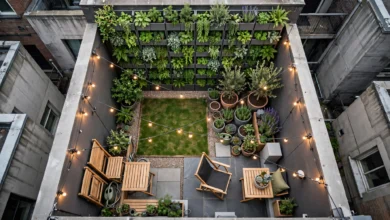
Landscape Designer Guide for Homes in Queensland
Landscape designer guide for homes in Queensland: practical advice on climate, drainage, plants, and local building rules.
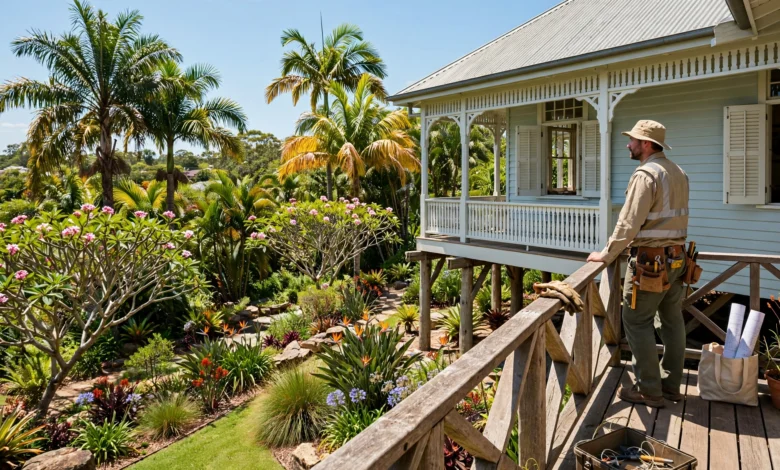
Landscape Designer Guide for Homes in Queensland: 7 Essential Tips for a Thriving Tropical Garden
Introduction
Landscape designer guide for homes in Queensland advice needs to start with one basic fact: Queensland’s climate is genuinely unlike most of the rest of Australia. Between the humid subtropical conditions around Brisbane, the fully tropical wet-dry cycle further north around Cairns and Townsville, and the cyclone risk that shapes building and landscaping decisions across much of the coast, a garden plan that works well in Sydney or Melbourne can fail spectacularly here. Intense UV exposure, heavy monsoonal downpours, and high humidity all put pressure on plant choices, materials, and drainage design in ways that southern states simply don’t deal with to the same extent.
A landscape designer who genuinely understands Queensland conditions builds around this reality rather than treating it as an afterthought. That means selecting plants that can handle both intense heat and torrential wet-season rain, designing drainage that can cope with sudden downpours without erosion, and choosing materials that won’t warp, rot, or attract termites in a humid climate. It also means understanding regional building codes, since cyclone-prone areas have specific structural requirements that affect everything from pergolas to retaining walls.
This guide covers the practical advice worth knowing before starting a garden project on a Queensland property, whether you’re in Brisbane’s subtropical climate, the Gold Coast’s coastal conditions, or further north where the tropics fully take over.
1. Understand Queensland’s Climate Zones
Queensland spans a huge range of climate conditions, and a landscape designer needs to account for exactly where a property sits within that range before making any planting or material decisions.
Key Regional Differences
- South East Queensland (Brisbane, Gold Coast, Sunshine Coast): humid subtropical climate with hot, wet summers and mild, drier winters
- Central Queensland: hotter and drier overall, with less consistent rainfall than the southeast
- North Queensland (Cairns, Townsville): fully tropical, with a distinct wet season roughly from November to April and a drier season for the rest of the year
- Cyclone-prone coastal areas: extend from around Bundaberg northward, with increasing structural implications for landscaping as you move further north
Why This Matters for Design
A garden designed for Brisbane’s subtropical rhythm may not suit Cairns’s more extreme wet-dry cycle, and vice versa. Confirming your specific climate zone and typical rainfall pattern is one of the first steps in any properly planned Queensland garden.
2. Choose Plants That Handle Heat, Humidity, and Heavy Rain
Plant selection in Queensland has to account for intense sun, high humidity, and often torrential wet-season downpours, sometimes all within the same week.
Reliable Plants for Queensland Gardens
- Frangipani and hibiscus: classic, hardy choices that handle Queensland’s heat and humidity well
- Lomandra and native grasses: tolerate both dry spells and heavy rain without waterlogging issues
- Bromeliads and gingers: thrive in the humidity common across most of Queensland, particularly in shadier positions
- Native rainforest species: many are naturally suited to heavy seasonal rainfall and require less intervention once established
- Palms: a Queensland landscaping staple, though species selection should account for cyclone risk in northern coastal areas
Native and Regionally Adapted Planting
Choosing plants native to Queensland, and ideally to your specific region within the state, generally produces more resilient results than importing garden styles suited to cooler, drier climates. The Australian Native Plants Society maintains resources on native species suited to different Australian climate zones, which is a useful starting point when narrowing down options for a Queensland property.

Common Planting Mistakes to Avoid
- Choosing plants suited to temperate southern climates that struggle with Queensland’s heat and humidity
- Ignoring cyclone risk when selecting tall, brittle trees in northern coastal regions
- Overcrowding beds, which becomes a bigger issue given how quickly plants grow in Queensland’s warm, humid conditions
3. Plan Drainage for Wet Season Downpours
Drainage is one of the most critical elements of any Queensland landscape design, given how intense wet-season rainfall can be, particularly in the state’s tropical north.
Drainage Solutions Worth Considering
- Swales and rain gardens: slow and redirect heavy surface water, reducing erosion risk
- French drains: manage groundwater around structures and prevent pooling near foundations
- Permeable paving: allows heavy rainfall to soak through rather than running off and overwhelming stormwater systems
- Elevated garden beds: help prevent waterlogging in low-lying areas prone to pooling during the wet season
Erosion Control on Sloped Sites
Queensland’s combination of heavy rain and, in some regions, sloped terrain makes erosion control particularly important. Groundcover planting, retaining structures, and careful grading all help keep soil in place during intense downpours rather than letting it wash away.
4. Choose Materials That Handle Humidity and Termites
Material selection matters more in Queensland than in drier states, since humidity, heavy rain, and termite activity all put additional pressure on outdoor structures.
Hardscaping Materials Worth Considering
- Treated timber or composite decking: resists the rot and termite damage that untreated timber is prone to in humid conditions
- Natural stone and concrete pavers: handle heat and humidity well with minimal maintenance
- Powder-coated metal fixtures: resist corrosion better than untreated metal in Queensland’s humid coastal air
- Cyclone-rated structures: essential for pergolas, carports, and other structures in cyclone-prone coastal regions
Termite Considerations
Queensland has some of the highest termite activity in Australia, so any timber used in landscaping, from garden edging to structural elements, should be treated or naturally termite-resistant. Regular inspection of timber garden structures is worth building into an ongoing maintenance routine.
5. Understand Local Council and Building Rules
Queensland councils have specific rules that directly affect landscaping decisions, and these vary depending on region and proximity to the coast.
Common Rules to Check Before Starting
- Tree protection controls: many councils, including Brisbane City Council, regulate the removal of significant or protected trees
- Cyclone-region building codes: structures in cyclone-prone areas often require specific wind-rated construction, which affects pergolas, fences, and retaining walls
- Pool fencing and landscaping interaction: Queensland has strict pool safety regulations that affect where certain plants, structures, or features can be placed near a pool area
- Stormwater management requirements: some councils require specific stormwater controls for larger paved or hardscaped areas, given how intense wet-season rainfall can be
Checking directly with your local council, particularly around tree removal permits and cyclone-region building requirements, avoids costly delays or rework once a project is underway.
6. Design for Outdoor Living Through the Wet and Dry Seasons
Queensland’s climate makes outdoor living spaces genuinely valuable for much of the year, but the design needs to account for both the intense heat of the build-up season and the heavy rain of the wet season.
Practical Outdoor Living Features
- Covered outdoor areas: essential for usability during Queensland’s wet season, allowing outdoor space to stay functional even during heavy rain
- Ceiling fans or breeze-friendly layouts: help manage humidity and heat in covered outdoor spaces
- Shade structures: critical given Queensland’s intense UV exposure, particularly in the state’s tropical north
- Insect screening: worth considering for covered areas, given the humidity and rainfall that support high insect activity across much of the state
Water Features and Cooling Elements
Water features can help create a cooling effect in Queensland’s heat, though they need to be designed with mosquito control in mind, given the state’s warm, humid conditions.
7. Plan for Ongoing Maintenance in a Fast-Growing Climate
Queensland’s warmth and humidity mean plants grow quickly, which is genuinely one of the state’s landscaping advantages, but it also means maintenance needs are higher than in cooler climates.
Maintenance Considerations
- Pruning schedules need to account for Queensland’s fast growth rates, particularly during the warmer, wetter months
- Mulch breaks down faster in Queensland’s heat and humidity and typically needs replenishing more often than in cooler climates
- Pest and disease monitoring is important year-round, since Queensland’s climate supports pest activity for more of the year than cooler states
- Irrigation systems should be checked seasonally, since wet season rainfall often reduces or eliminates the need for supplementary watering for extended periods
Questions to Ask a Designer About Maintenance
- How will this design need to adapt between the wet and dry seasons?
- Which plants will need the most active management during Queensland’s peak growing period?
- Are any elements of the design cyclone-rated, and what maintenance do they require after a major storm event?
Common Mistakes Queensland Homeowners Make
- Choosing plants suited to cooler, drier climates that struggle in Queensland’s heat and humidity
- Underestimating wet season rainfall when planning drainage and grading
- Using untreated timber that deteriorates quickly due to humidity and termite activity
- Ignoring cyclone-region building requirements for pergolas, fences, or other structures
- Overlooking council rules on tree protection before starting removal or major pruning work
Conclusion
A solid landscape designer guide for homes in Queensland always starts with an honest assessment of the state’s specific climate zone, since conditions shift so dramatically between the subtropical southeast and the fully tropical north. Choosing heat- and humidity-tolerant plants, planning drainage for intense wet-season rainfall, selecting termite- and weather-resistant materials, and understanding local council and cyclone-region building rules all play a role in building a garden that holds up over time. With the right planning from the start, a Queensland garden can genuinely thrive through both the state’s dry stretches and its heaviest wet-season downpours, rather than needing constant repair after every major storm.