Landscape Designer Tips for Homes in Manchester
Landscape designer tips for Manchester homes: how to plan for the rain, the clay soil, and the local look before you start digging
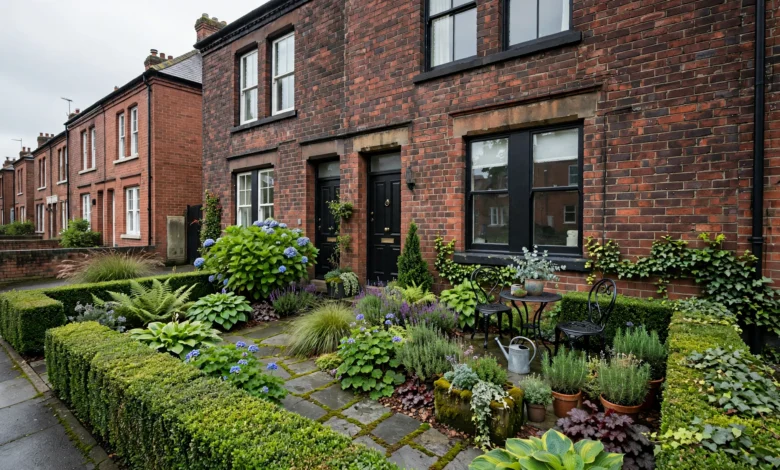
Landscape Designer Tips for Manchester Homes: 9 Essential Ideas for a Beautiful Garden
If you’re searching for landscape designer tips for homes in Manchester, chances are you’ve already run into the two things that make gardening here different from almost anywhere else in the country: rain and clay. Manchester gets more than its fair share of both, and neither is going anywhere. That doesn’t mean a great garden is off the table. It means the planning stage matters more here than it does somewhere with lighter soil and a drier forecast.
This guide pulls together practical, locally relevant advice for homeowners working with a landscape designer in Manchester, or thinking about hiring one. We’ll cover how the city’s clay-heavy soil and wet weather shape design decisions, which plants actually thrive here, how terraced and semi-detached gardens tend to need different approaches, and what planning rules you should know about before any digging starts. Whether you’re in a Victorian terrace in Chorlton, a new-build in Salford, or a bigger plot out toward Didsbury, the fundamentals are the same: work with the climate, not against it.
By the end, you’ll have a clearer sense of what a Manchester landscape design project should actually involve, from soil testing to drainage to the kind of hardscaping materials that hold up through a typical northwest England winter.
Why Manchester Gardens Need a Different Approach
Manchester’s climate and soil aren’t the same as the south of England, and a design that works beautifully in Surrey can fail here within a year. A good landscape designer in Manchester will factor in a few things from day one:
- Heavy rainfall. Manchester averages significantly more annual rainfall than London, which means drainage isn’t optional, it’s foundational.
- Clay soil. Much of Greater Manchester sits on clay-heavy ground that holds water, swells in wet weather, and cracks when dry.
- Shorter growing seasons and lower light compared to southern England, particularly in shaded urban gardens between terraces.
- Wind exposure, especially in more open suburban and semi-rural areas around the city.
None of this rules out a beautiful outdoor space. It just changes the starting point for design decisions, from soil prep to plant selection to how patios and paths are laid.
1. Start With a Proper Soil Assessment
Before any planting plan gets drawn up, a soil test tells you what you’re actually working with. Manchester’s clay soil is fertile but notoriously difficult to manage without adjustments.
A proper assessment checks for:
- Soil pH (Manchester soils tend to run slightly acidic to neutral)
- Drainage rate, since standing water is common in clay-heavy gardens
- Compaction, especially in gardens that were part of a construction site during a new-build development
- Existing organic matter content
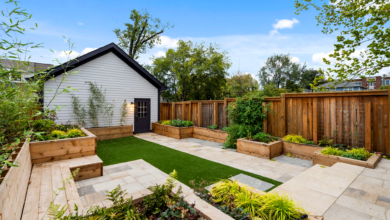
If the results show heavy clay, most designers will recommend working in organic matter (compost, well-rotted manure) or building raised beds rather than fighting the native soil directly. Raised beds are a common and practical solution across Greater Manchester gardens for exactly this reason.
2. Plan Drainage Before Anything Else
This is the single most important landscape design tip for Manchester homes, full stop. Skipping proper drainage planning is the most common reason gardens here end up waterlogged, muddy, or slowly damaging a house foundation.
Good drainage planning typically includes:
- French drains along the base of walls or fences where water tends to collect
- Permeable paving for patios and driveways, which also helps meet local sustainable drainage (SuDS) expectations
- Soakaways for larger volumes of rainwater runoff
- Grading the garden so water flows away from the house rather than toward it
If your property backs onto a shared boundary or sits on a slope, it’s worth asking your designer specifically how water will be redirected during heavy rain events, not just how it looks on a sunny day. The UK government’s planning guidance on sustainable drainage systems is a useful reference point if you want to understand the standards involved, and it’s outlined clearly on the UK Government’s planning portal.
3. Choose Plants That Actually Thrive in Manchester’s Climate
A landscape designer familiar with the region will steer you toward plants suited to damp, clay-heavy, moderately shaded conditions rather than ones that look good in a catalogue but struggle here.
Plants that tend to do well in Manchester gardens include:
- Hostas and ferns for shaded, moisture-retentive beds
- Hydrangeas, which genuinely prefer the cooler, wetter conditions common across the northwest
- Roses, particularly hardy shrub varieties bred for the UK climate
- Ornamental grasses, which tolerate both wind and variable moisture well
- Native hedging such as hawthorn or beech, useful for windbreaks and privacy in exposed plots
Avoid Mediterranean-style planting schemes (lavender fields, olive trees, drought-tolerant succulents) unless you’re prepared to amend soil heavily and manage drainage carefully, since these plants generally dislike Manchester’s wetter ground.
4. Work With Your Garden’s Size and Orientation
Manchester housing stock varies a lot, from small Victorian terrace gardens to larger plots in the suburbs, and each type needs a different design strategy.
Terraced and Small Urban Gardens
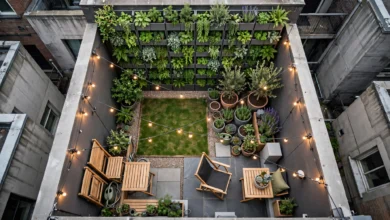
Many Manchester terraces have narrow, long gardens with limited direct sunlight. Design tips here include:
- Using vertical space (wall planters, trellises, climbing plants) to maximise greenery without eating floor space
- Choosing lighter paving tones to make shaded spaces feel bigger
- Zoning the garden into two or three functional sections rather than trying to fit everything into one open layout
Semi-Detached and Suburban Gardens
Larger plots common in areas like Chorlton, Didsbury, and Sale allow more flexibility, including space for:
- Dedicated seating and dining areas
- Larger planting borders with layered heights
- Features like raised vegetable beds or small water features
New-Build Gardens
New-build plots around Manchester often come with compacted, poor-quality topsoil left over from construction. These almost always need soil remediation before any serious planting plan makes sense.
5. Understand Local Planning Rules Before You Build
Not every landscaping project needs planning permission, but some do, particularly larger structures. It’s worth checking before committing to a design that includes:
- Garden buildings or outb
- uildings over certain height and footprint limits
- Boundary walls or fences over 2 metres (or 1 metre facing a public highway)
- Work affecting trees protected by a Tree Preservation Order (TPO), which are common in older Manchester neighbourhoods
- Any changes if your property is listed or sits within a conservation area
Manchester City Council and the surrounding borough councils (Trafford, Stockport, Salford, Bolton, etc.) each handle planning slightly differently, so it’s worth checking directly with your local authority before finalising hardscaping plans that involve structures or boundary changes.
6. Pick Hardscaping Materials That Handle Wet Weather
Patios, paths, and driveways in Manchester need to handle rain, frost, and the occasional freeze-thaw cycle without cracking or becoming a slip hazard.
Reliable options for the local climate include:
- Textured natural stone (like riven sandstone or slate), which offers better grip than smooth finishes when wet
- Porcelain paving, increasingly popular for its low porosity and resistance to frost damage
- Permeable block paving, which handles drainage requirements while still looking clean and structured
- Gravel with proper edging, a lower-cost option that drains well if installed correctly
Avoid smooth, polished finishes for outdoor walkways here. They look sharp in photos but become genuinely dangerous once algae or frost sets in, which happens often given the region’s damp winters.
7. Design for Year-Round Interest, Not Just Summer
Manchester doesn’t get the long, dry summers that make a garden look effortless for months on end, so a well-planned design leans on structure and seasonal variety rather than one big summer bloom.
A few practical approaches:
- Mix evergreen shrubs with seasonal perennials so the garden doesn’t look bare from November through March
- Add structural elements like trellises, pergolas, or well-placed lighting that hold visual interest regardless of season
- Choose a few plants specifically for autumn and winter colour, such as dogwood (bright stems in winter) or winter-flowering heathers
This kind of planning matters more in a climate where a garden might realistically only get eight or nine weeks of genuinely warm, dry weather each year.
8. Factor in Maintenance From the Start
A garden that looks great on installation day but requires constant upkeep to survive Manchester’s climate usually ends up neglected within a year or two. A good landscape designer will ask about your realistic time and budget for maintenance before finalising a planting plan.
Questions worth discussing:
- Are you comfortable pruning and dividing perennials each year, or would you prefer mostly low-maintenance shrubs?
- Do you want an automated irrigation system, or is Manchester’s rainfall enough on its own (often, it is)?
- Will you maintain the garden yourself, or hire a gardener for seasonal upkeep?
Being honest about this upfront saves money and disappointment later, since a design built around an unrealistic maintenance commitment rarely survives its first tough winter.
9. Hire a Designer Who Knows the Region
This might be the most overlooked tip on this list: not every landscape designer, even a very talented one, has direct experience with Manchester’s specific soil and weather conditions. Someone used to designing for the south of England may default to plants and materials that simply don’t perform the same way here.
When vetting a landscape designer for a Manchester home, ask:
- Have you worked on projects in Greater Manchester or the wider northwest before?
- How do you typically handle clay soil and drainage in your designs?
- Can I see examples of gardens you’ve designed locally, ideally more than a year after installation, so I can see how they’ve held up?
- Do you factor in local planning restrictions like TPOs and conservation area rules?
A designer who answers these confidently and specifically, rather than generically, is a strong sign they understand what makes this region’s gardens different. The Royal Horticultural Society’s regional gardening advice is also a solid resource if you want to cross-check plant and soil recommendations against national guidance before committing to a plan.
Common Mistakes to Avoid
A few recurring issues show up again and again in Manchester garden projects:
- Ignoring drainage until after installation. Retrofitting drainage into a finished garden costs far more than planning it upfront.
- Choosing drought-tolerant plants that were never suited to a wet, clay-based climate in the first place.
- Underestimating soil prep time. Amending heavy clay properly takes longer than most homeowners expect, and skipping this step shows up in poor plant health within a season.
- Overlooking planning permission for garden structures, fences, or work near protected trees, which can lead to costly corrections later.
Conclusion
Landscape designer tips for homes in Manchester all come back to one central idea: design with the local climate and soil in mind rather than against them. That means prioritising drainage before aesthetics, choosing plants that genuinely thrive in wet, clay-heavy conditions, picking hardscaping materials that hold up through damp winters, and hiring a designer who actually understands the region rather than applying a generic, one-size-fits-all approach. Get those fundamentals right, and a Manchester garden can look just as impressive as one anywhere else in the country, and hold up a lot longer through the seasons that matter most.