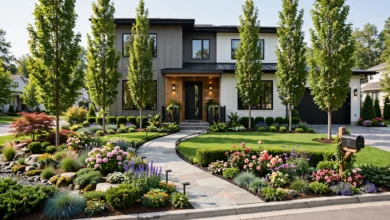
How to Choose Plants With Help From a Landscape Designer
How to choose plants with help from a landscape designer, covering climate, soil, sunlight, and long-term maintenance before you buy.
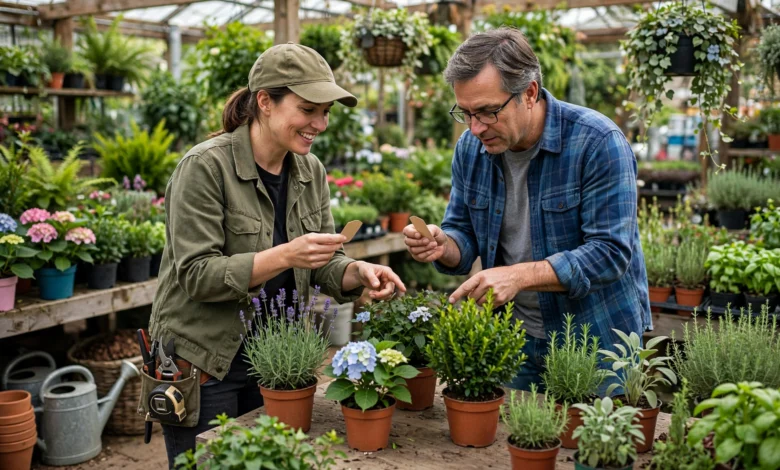
How to Choose Plants With a Landscape Designer: 8 Proven Tips for a Thriving Garden
Choosing plants with help from a landscape designer sounds simple until you’re standing in a nursery aisle with fifty options and no idea which ones will actually survive in your yard. Plant selection is one of the most important parts of any landscaping project, and it’s also one of the easiest to get wrong if you’re going purely on looks. A plant that photographs beautifully in a catalogue can struggle, or die outright, in the wrong soil, light, or climate.
This is exactly where a landscape designer earns their fee. Good plant selection isn’t about picking whatever’s trending. It’s about matching plants to your specific site conditions, your maintenance habits, and how the space will actually get used throughout the year. A designer brings knowledge of hardiness zones, mature plant sizes, seasonal timing, and how different species behave together over time, things that are genuinely hard to learn from browsing photos online.
In this guide, we’ll walk through exactly how a designer approaches plant selection, what questions they’ll ask you, and what you should be thinking about before you fall in love with a plant at the garden centre. We’ll also cover common mistakes homeowners make when picking plants on their own, and how to make sure the choices in your final plan will actually thrive rather than just survive the first season. By the end, you’ll understand the reasoning behind a professional plant list, whether you’re working with a designer directly or making some of these decisions yourself.
Why Plant Selection Is Harder Than It Looks
Most people choosing plants for the first time focus on color and shape. That’s understandable, but it’s only one piece of a much bigger puzzle. A landscape designer evaluates plant choices against a longer list of factors that determine whether something will actually thrive:
- Hardiness zone and local climate patterns
- Soil type, pH, and drainage
- Sunlight exposure throughout the day and across seasons
- Mature size, both height and spread
- Growth rate and long-term maintenance needs
- How well it pairs visually and functionally with neighboring plants
Skipping any one of these factors is usually why a plant that looked perfect in spring is dead, overgrown, or completely out of place by the following year.
1. Start With Your Hardiness Zone
Every region falls into a plant hardiness zone, a classification based on average minimum winter temperatures. This single piece of information rules out a huge number of unsuitable plants before you even get to style preferences.
A landscape designer will:
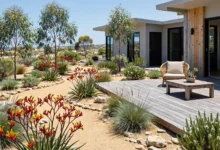
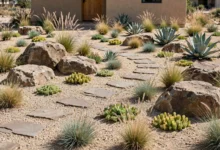
- Confirm your exact zone based on your location
- Cross-reference plant options against that zone’s temperature range
- Factor in microclimates on your property, such as a south-facing wall that stays warmer, or a low spot that collects cold air
In the US, the USDA Plant Hardiness Zone Map is the standard reference most designers use to confirm zone compatibility before recommending any plant. Skipping this step is one of the most common reasons plants fail within their first winter.
2. Understand Your Soil Before Picking Anything
Soil type has a bigger impact on plant health than most homeowners realize. Sandy soil drains quickly and dries out fast. Clay soil holds water and can suffocate roots that need better drainage. Loamy soil sits somewhere in between and is generally the easiest to work with.
A designer typically checks:
- Soil texture (sandy, clay, loamy, or a mix)
- pH level, since some plants like azaleas and blueberries need acidic soil while others prefer neutral to alkaline conditions
- Drainage speed, tested by digging a small hole and timing how fast water disappears
- Existing organic matter, which affects how much amendment the soil needs before planting
If your soil test reveals a mismatch between what you want to plant and what your soil naturally supports, you generally have two options: amend the soil over time, or choose plants suited to the soil you already have. Most experienced designers lean toward the second option when possible, since it requires far less ongoing effort.
3. Map Sunlight Patterns Across the Day and Year
Sun exposure changes more than people expect, both throughout the day and across seasons. A spot that gets full sun in summer might sit in near-total shade once deciduous trees leaf out, or once the sun’s angle shifts in autumn and winter.
Sunlight categories generally break down as:
- Full sun: 6+ hours of direct sunlight daily
- Partial sun/shade: 3-6 hours of direct sunlight
- Full shade: Less than 3 hours of direct sunlight
A designer will often observe a site at different times of day, sometimes across more than one visit, before finalizing plant placement. Getting this wrong is one of the fastest ways to end up with leggy, sun-starved plants in a shady bed, or scorched foliage in a spot that gets more sun than expected.
4. Think About Mature Size, Not Just What It Looks Like at the Nursery
This is one of the most common mistakes homeowners make on their own: buying a plant based on its current size in a pot, without checking how big it will eventually get. A small shrub that looks perfectly proportioned near a doorway can grow into something that blocks a window or crowds a walkway within a few years.
Before finalizing any plant list, a good designer will check:
- Mature height and width, not just the size at planting
- Growth rate (slow, moderate, or fast growing)
- Root system behavior, especially for trees planted near foundations, driveways, or underground utilities
- Spacing requirements between plants to avoid overcrowding as they mature
Planning for mature size upfront avoids a cycle of constant pruning, or worse, having to remove and replace plants a few years down the line because they outgrew their space.
5. Factor In Maintenance Requirements Honestly
Every plant comes with a maintenance commitment, and being honest about how much time you actually want to spend on upkeep is one of the most useful conversations to have early in the plant selection process.
Questions worth answering before choosing plants:
- Are you comfortable with regular pruning, deadheading, and dividing perennials?
- Do you want a garden that mostly takes care of itself, or are you happy to be hands-on?
- Is irrigation available, or will pl
- plants need to survive primarily on natural rainfall?
- How much time do you realistically have for seasonal cleanup?
A designer who understands your maintenance preferences will steer you toward genuinely low-maintenance shrubs and perennials if that’s what you want, rather than a high-upkeep planting scheme that looks stunning for a season and then gets neglected.
6. Choose for Year-Round Interest
A common misstep in DIY plant selection is designing entirely around how the garden looks in late spring or summer, when most plants are naturally at their best. A well-planned garden accounts for how it looks across all four seasons.
A layered approach usually includes:
- Evergreens for structure and year-round green, even in winter
- Spring bloomers like tulips, daffodils, or flowering shrubs for early color
- Summer perennials for the peak growing season
- Fall interest through foliage color or late-blooming plants like asters
- Winter structure from bare branch shapes, bark texture, or berries that persist into colder months
This kind of layering is exactly the sort of planning a landscape designer brings to the table, since it requires knowing bloom times and seasonal behavior across a wide range of species.
7. Consider Wildlife and Pollinators
More homeowners are asking specifically for plant choices that support local pollinators and wildlife, and a good designer can build this into a plan without sacrificing visual appeal.
Plant choices that tend to support pollinators well include:
- Native perennials, which local bees and butterflies are already adapted to
- Flowering shrubs that bloom at staggered times through the season
- Plants with single (not double) flower forms, since double blooms often produce less accessible nectar
- A mix of bloom times to provide a consistent food source from spring through fall
The National Wildlife Federation’s native plant guidance is a useful starting point if pollinator-friendly planting is a priority for your project, and it pairs well with a designer’s regional plant knowledge.
8. Let the Designer Balance Aesthetics With Practicality
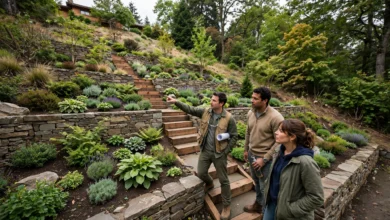
At the end of the process, a landscape designer’s real value is balancing what you want the garden to look like with what will genuinely survive and thrive in your specific conditions. This often means gently steering you away from a plant you love visually if it’s simply not suited to your site, and offering an alternative that achieves a similar look with better odds of success.
A well-built plant list typically groups selections by:
- Focal points: standout plants near entryways, patios, or other high-visibility areas
- Structural plants: shrubs and small trees that provide the garden’s basic shape
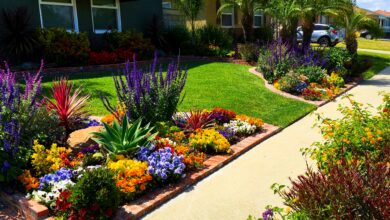
- Fillers: perennials and groundcovers that fill in beds and add seasonal color
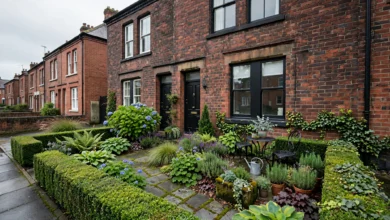
- Transitional plants: species that soften the edges between hardscaping and planted areas
This kind of structured thinking is difficult to replicate without experience, which is part of why so many homeowners bring in a professional for this step even when they’re comfortable handling other parts of a landscaping project themselves.
Common Plant Selection Mistakes to Avoid
A few mistakes show up repeatedly in DIY plant selection:
- Buying based on nursery displays rather than actual site conditions at home
- Ignoring mature size, leading to overcrowded beds within a few years
- Choosing plants outside your hardiness zone, resulting in winter dieback
- Overlooking soil compatibility, especially pH mismatches
- Designing only for one season, leaving the garden bare for much of the year
Avoiding these issues from the start saves both money and the frustration of replacing plants that were never going to succeed in the first place.
Conclusion
How to choose plants with help from a landscape designer ultimately comes down to matching the right species to the right conditions, hardiness zone, soil type, sunlight, mature size, and your realistic maintenance habits, rather than choosing purely on appearance. A designer brings the knowledge to balance all of these factors while still creating a space that looks intentional and beautiful across every season, not just the one it was planted in. Whether you handle the planting yourself or bring in a professional for the full process, keeping these fundamentals in mind will lead to a garden that actually thrives for years rather than one that needs constant replacing.
Keywords: