20 Living Room Design Ideas That Feel Warm and Inviting
20 living room design ideas that feel warm and inviting, covering color, lighting, texture, layout, and personal touches.
20 Living Room Design Ideas That Feel Warm and Inviting
Introduction
Living room design ideas that feel warm and inviting all tend to share the same starting point: comfort comes before style. A room can be beautifully decorated and still feel cold if the lighting is harsh, the furniture is stiff, or nothing in the space invites you to actually sit down and stay a while. On the other hand, a modest room with the right lighting, texture, and layout can feel like the most welcoming spot in the house.
Warmth in a living room isn’t about following one specific style. It shows up in modern spaces, traditional ones, small apartments, and sprawling family rooms alike. What matters is layering the right elements together: color, texture, lighting, furniture arrangement, and a few personal touches that make the space feel lived-in rather than staged.
This guide walks through 20 practical living room design ideas that consistently make a space feel warmer and more inviting, grouped into color, lighting, texture, layout, and finishing touches. You don’t need to use all twenty at once. Even picking a handful from each category can shift a room from something people pass through to somewhere they actually want to spend time. Whether you’re starting from scratch or updating a room that’s never quite felt right, these ideas offer a practical starting point for building a cozy living room you’ll genuinely enjoy.
Color and Palette Ideas
Color sets the emotional tone of a room before anything else does. Warm, grounded palettes almost always read as more inviting than cool, stark ones.
1. Start With Warm Neutrals
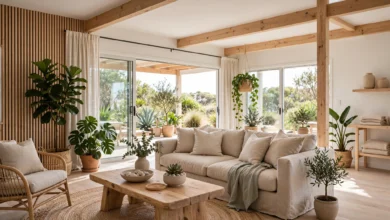
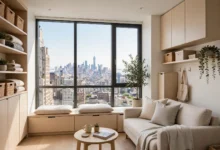
Soft beige, creamy white, warm taupe, and greige create a welcoming base that works with nearly any furniture style. Unlike stark white or cool gray, these tones visually soften a room instead of making it feel clinical.
2. Add Earthy Accent Colors
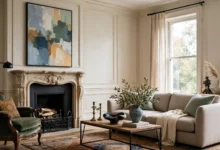
Layer in richer tones like burnt orange, olive green, rust, or deep terracotta through pillows, art, or an accent chair. These colors add depth and warmth without requiring a full repaint.
3. Try Tone-on-Tone Layering
Keeping walls, furniture, and textiles within the same warm color family creates a calm, cohesive look. This layering technique adds subtle depth while still feeling relaxed rather than busy.
4. Use a Deeper Accent Wall
A single wall in a deeper, warmer shade, whether behind the sofa or around a fireplace, gives the room a natural focal point and adds a sense of coziness without overwhelming the whole space.
Lighting Ideas That Add Warmth
Lighting has more influence on how “warm” a room feels than almost any other design choice. Harsh overhead light flattens a space, while layered, warm-toned lighting makes it feel intimate.
5. Layer Multiple Light Sources
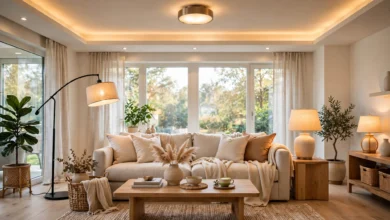
Relying on a single ceiling fixture is one of the most common reasons a living room feels cold. Combine ambient, task, and accent lighting, floor lamps, table lamps, and wall sconces, so light comes from several points around the room rather than straight overhead.
6. Choose Warmer Bulb Temperatures
Bulbs with a warmer color temperature (generally in the 2700K–3000K range) cast a softer, golden glow that feels more relaxed than the cooler, bluish light common in daylight-temperature bulbs.
7. Bring in Ambient Touches Like Candles
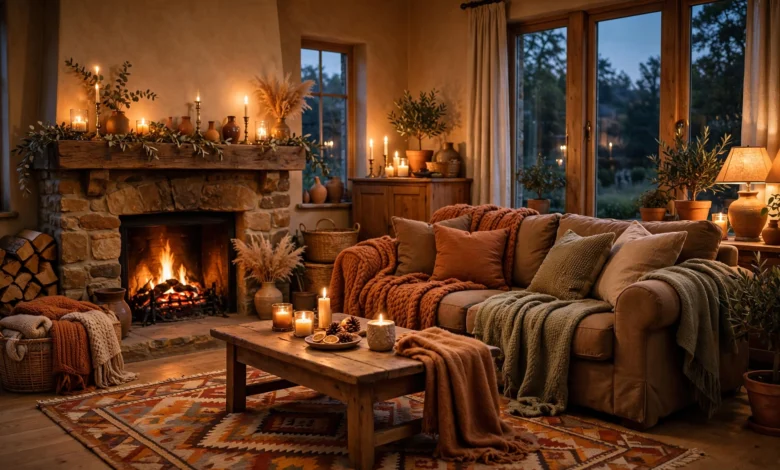
Candles, string lights, or a dimmer switch on your main fixtures let you adjust the mood of the room depending on the time of day. Soft, flickering light adds a level of comfort that steady overhead lighting can’t replicate.
Texture and Textile Ideas
Texture is what makes a room feel touchable rather than just visually pleasing. A living room built entirely from hard, smooth surfaces will almost always feel colder than one layered with soft materials.
8. Layer in Chunky Knit Throws
A folded throw blanket over the arm of a sofa or draped across a chair adds immediate texture and signals comfort, even before anyone sits down.
9. Mix Upholstery Materials
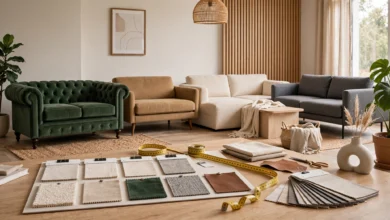
Combining linen, leather, velvet, and boucle across different pieces of furniture keeps the room from feeling flat. Contrast in texture is often more effective than contrast in color alone.
10. Ground the Room With a Substantial Area Rug
A rug that’s appropriately sized for the seating arrangement adds warmth underfoot and visually anchors the furniture layout. Avoid rugs that are too small, since they can make a room feel disconnected rather than pulled together.
11. Add Full-Length Curtains
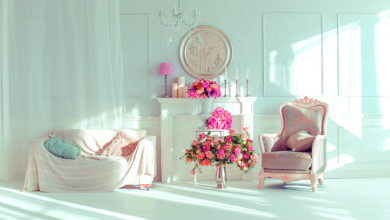
Floor-to-ceiling curtains, even purely decorative ones, soften hard window lines and add a sense of height and coziness that blinds alone rarely achieve.
Furniture and Layout Ideas
How furniture is arranged has as much impact on warmth as the pieces themselves. A room can have beautiful furniture and still feel stiff if the layout doesn’t encourage people to gather.
12. Create Multiple Seating Options
Rather than a single sofa facing a TV, incorporate a few different seating areas, an armchair angled toward the sofa, a bench, or an ottoman that can double as extra seating. This makes a room feel more social and welcoming for groups.
13. Arrange Furniture to Face Each Other
Positioning seating so people can actually talk to one another, rather than all facing the same direction, immediately makes a room feel more conversational and less like a waiting area.
14. Bring in Warm Wood Tones
Wood furniture in tones like walnut, oak, or natural pine acts as a warm neutral and adds an organic, grounded feel that pairs well with almost any color palette.
15. Make the Fireplace (or a Focal Point) the Anchor
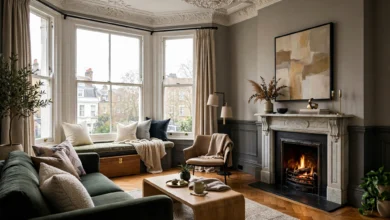
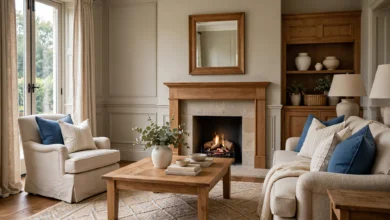
If your living room has a fireplace, arranging furniture around it naturally creates a gathering point. If it doesn’t, choose another anchor, like a media console or a piece of art, and build the seating arrangement around that instead.
Personal Touches That Make a Room Feel Lived-In
A living room that looks like a showroom rarely feels warm. The personal, slightly imperfect details are usually what make a space feel like home.
16. Build a Gallery Wall
A collection of framed photos, art, or mixed pieces adds personality and visual warmth in a way that a single large piece of art often can’t match on its own.
17. Display Books and Meaningful Objects
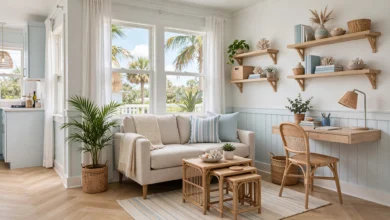
Stacked books, travel finds, or sentimental objects on a shelf or coffee table give a room a sense of history and personality, rather than looking like it was furnished all at once from a single catalog.
18. Add Live Plants
Greenery brings a natural, organic softness into a room and tends to make even simple, minimal spaces feel more alive and welcoming.
Finishing Details That Tie It All Together
The last few details are often what separates a room that looks nice from one that actually feels warm and inviting to spend time in.
19. Introduce a Subtle, Familiar Scent
A softly scented candle or diffuser with warm notes like vanilla, cedar, or amber adds another sensory layer to the room. Keep it subtle. A truly cozy room should feel welcoming the moment someone walks in, not because a scent is doing all the work.
20. Keep Surfaces Clutter-Free but Not Empty
A completely bare room can feel unfinished, while a cluttered one feels chaotic. Aim for the middle ground: tidy surfaces with a few intentional, personal objects, so the room feels curated rather than either sterile or messy.
How to Combine These Ideas Without Overwhelming the Room
With twenty ideas on the table, it’s tempting to try to use all of them at once. That usually backfires. A few practical guidelines:
- Start with layout and lighting first, since these have the biggest overall impact on how warm a room feels.
- Choose one dominant texture story (linen and wool, or leather and wood, for example) rather than mixing too many at once.
- Pick 2–3 accent colors and repeat them across pillows, art, and accessories instead of introducing a new color with every item.
- Add personal touches last, once the foundational elements are in place, so they enhance the room rather than compete with it.
According to design guidance from Better Homes & Gardens, building warmth in layers, starting with color and lighting before adding texture and personal accents, tends to produce a far more cohesive result than decorating a room piece by piece without a plan. Taking a similarly structured approach, as outlined by the National Kitchen & Bath Association, also helps ensure that comfort-focused updates hold up well over time rather than needing to be redone every season.
Conclusion
A warm, inviting living room rarely comes down to one single choice. It’s the layering of warm color palettes, thoughtful lighting, varied texture, a furniture layout built for conversation, and a handful of personal touches that make a space feel like it belongs to the people living in it. These 20 living room design ideas give you a practical starting point, whether you’re planning a full redesign or just want to make small, meaningful updates. Start with the elements that matter most to how the room functions, layer in texture and color gradually, and let the personal details come last. The result is a living room that doesn’t just look good in photos, but genuinely feels warm and inviting every time someone walks through the door.