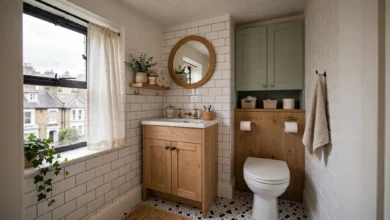
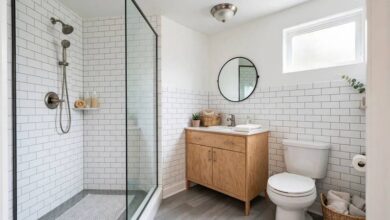
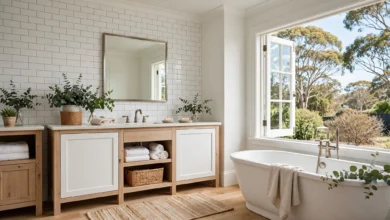
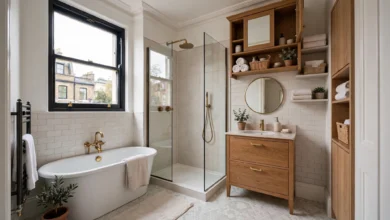
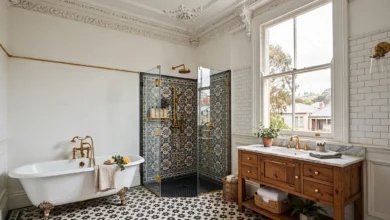
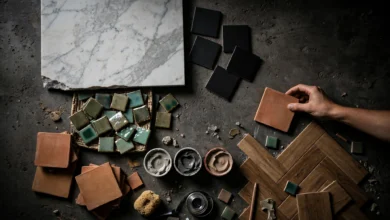
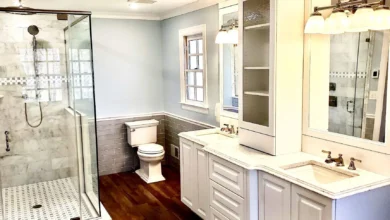
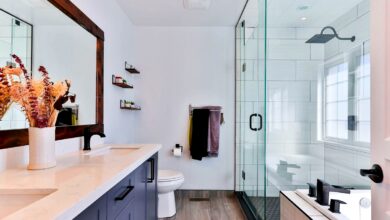
15 Bathroom Remodel Ideas That Add Instant Value
Bathroom remodel ideas that boost resale value and everyday comfort, ranked by real ROI data rather than trends alone.
15 Bathroom Remodel Ideas That Add Instant Value
Bathroom remodel ideas are everywhere online, but most lists mix in high-end, low-return upgrades right alongside the changes that actually move the needle at resale. That’s a costly mix-up. According to Zonda’s widely cited Cost vs. Value Report, a midrange bathroom remodel currently recoups somewhere around 70-80% of its cost at resale, while a fully upscale, luxury-finished bathroom often returns closer to 35-45%. The gap isn’t about quality, it’s about which upgrades buyers actually notice and value versus which ones mostly reflect personal taste.
That distinction matters whether you’re remodeling to sell soon or planning to stay in the home for another decade. A bathroom remodel done with resale value in mind tends to focus on updated fixtures, better lighting, smarter storage, and finishes that appeal broadly rather than niche, highly specific choices that only suit one buyer’s taste. The good news is that many of the highest-ROI bathroom upgrades aren’t the most expensive ones. Updated fixtures and improved lighting frequently outperform full gut renovations on a percentage-return basis, which means a modest, well-planned remodel can add real value without a six-figure budget.
This guide walks through 15 bathroom remodel ideas, organized from the highest-return, lowest-cost changes through to bigger structural updates, so you can prioritize based on your actual budget and goals rather than guessing which upgrades are worth it.
1. Update Fixtures Before Anything Else
If your budget is tight, fixture updates are consistently one of the highest-return bathroom remodel projects available. Swapping outdated faucets, showerheads, and hardware for current finishes changes the entire feel of a bathroom without touching plumbing lines or layout.
A few fixture upgrades worth prioritizing:
- A new faucet and showerhead in a current finish, which instantly modernizes the room’s overall look
- Updated cabinet and drawer hardware, a low-cost swap that makes even an older vanity feel intentional rather than dated
- A new toilet, particularly a water-efficient model, which appeals to buyers focused on lower utility costs
Recent industry data shows updated fixtures returning somewhere in the 85-100% range on a percentage basis, making this one of the most efficient places to start a bathroom remodel on a limited budget.
2. Improve the Lighting
Lighting is one of the most underrated bathroom remodel ideas, largely because it’s easy to overlook when a room’s fixtures, tile, and vanity already look reasonable. Poor lighting, though, can make even a well-finished bathroom feel dated or uninviting.
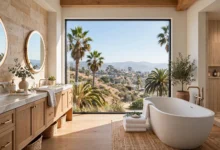
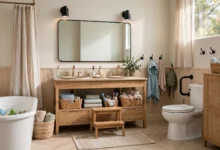
Ways to improve bathroom lighting effectively:
- Add vertical sconces on either side of the mirror, which reduces the harsh shadows a single overhead fixture tends to create
- Install a dimmer switch, giving the room flexibility between bright task lighting and a softer evening feel
- Replace a single overhead fixture with layered lighting, combining ambient and task light rather than relying on one source
Lighting upgrades frequently return in the 80-95% range, putting them close to fixture updates as one of the strongest value-per-dollar improvements in any bathroom remodel.
3. Refresh the Vanity Instead of Replacing It
A full vanity replacement is a meaningful expense, and it’s not always necessary. Refinishing or repainting an existing vanity, paired with a new countertop or updated hardware, often delivers most of the visual impact at a fraction of the cost.
Options worth considering:
- Repaint or refinish the existing cabinet in a current, broadly appealing color rather than a trend-specific shade
- Swap a laminate or dated countertop for quartz or another durable, neutral material
- Add a new undermount sink, which modernizes the vanity’s look without a full cabinet replacement
This approach is particularly useful for homeowners planning to sell within a couple of years, since it keeps costs conservative while still delivering a noticeably updated look.
4. Regrout and Reseal Existing Tile
Not every dated bathroom needs new tile. If the existing tile is in good structural condition but looking tired, regrouting and resealing can restore a clean, updated appearance for a small fraction of a full tile replacement’s cost.
This project works well when:
- The tile itself is a neutral, still-relevant color and pattern
- Grout lines have darkened or cracked over time but the tile isn’t chipped or loose
- Budget constraints make a full tile replacement impractical before a planned sale
A same-day or weekend regrouting project can meaningfully improve how clean and current a bathroom looks, especially paired with fixture and lighting updates elsewhere in the room.
5. Replace Flooring With Water-Resistant Materials
Bathroom flooring takes a lot of daily wear, and outdated or damaged flooring is one of the first things buyers and guests notice. Replacing it with a water-resistant material is a bathroom remodel upgrade that pays off both functionally and visually.
Strong flooring choices include:
- Porcelain or ceramic tile, durable and moisture-resistant, remaining the most consistently popular choice for bathroom floors
- Luxury vinyl plank, a lower-cost, water-resistant alternative that mimics the look of wood or stone
- Heated tile flooring, a higher-end option that adds a genuine comfort upgrade, particularly appealing in primary bathrooms
New flooring also gives you a clean foundation to build the rest of the room’s finishes around, which is part of why it’s often tackled early in a larger remodel.
6. Add or Upgrade Storage
Storage is consistently one of the top priorities buyers mention when touring bathrooms, and it’s an area where even small changes can meaningfully improve how functional a bathroom feels day to day.
A few storage upgrades worth considering:
- A vanity with drawers instead of open shelving, which keeps everyday items out of sight and reduces visual clutter
- A built-in medicine cabinet or recessed niche, adding storage without eating into floor space
- A linen tower or narrow cabinet, useful in smaller bathrooms where floor space is limited but wall height is available
Buyers consistently respond well to visible, well-organized storage, since it signals a bathroom that’s genuinely functional rather than just visually appealing in photos.
7. Replace an Old Shower Enclosure
An outdated shower enclosure, particularly one with cloudy glass, worn caulking, or a dated frame, can drag down the entire room’s appearance even if everything else has been updated. A shower-only remodel is a common, high-impact way to modernize a bathroom without a full gut renovation.
What this typically involves:
- A frameless glass enclosure, which reads as more modern and makes a small bathroom feel more open
- Updated shower tile, often extended slightly higher on the wall for a more finished look
- A new shower fixture set, including the showerhead, handle, and any additional features like a handheld sprayer
Shower-only remodels commonly recoup 65-75% of their cost, making this a solid mid-tier project for homeowners not ready to tackle a full bathroom renovation.
8. Choose Mixed Metals Thoughtfully
Finish trends shift regularly, but current guidance points toward mixed metal finishes as both stylish and broadly appealing, replacing the all-black or all-brass looks that dominated a few years ago.
A few ways to incorporate this:
- Pair a matte black faucet with brushed brass hardware, keeping the combination intentional rather than random
- Use one dominant finish for larger fixtures (faucet, showerhead) and a secondary finish for smaller accents (hooks, towel bars)
- Avoid combining more than two metal finishes, which can start to look busy rather than curated
Because finish choices are relatively easy to update without structural work, this is a lower-risk way to keep a bathroom remodel feeling current without overcommitting to a single trend.
9. Prioritize Accessible, Universal Design Features
Aging-in-place and universal design features have become one of the fastest-growing priorities in bathroom remodeling, appealing to a wide range of buyers beyond just older homeowners.
Features worth including:
- Curbless or low-threshold showers, which improve accessibility without looking clinical in a modern bathroom
- Grab bars styled as towel bars, blending function with a finished look rather than an obviously medical fixture
- Non-slip flooring, which improves safety without requiring a visibly different material choice
According to industry ROI tracking, universal design bathroom remodels have recently gained ground significantly, recouping around 61% at resale, the largest single-year increase across any interior project category, reflecting a real shift in buyer priorities toward long-term livability.
10. Add Water-Efficient Fixtures
Sustainability has become a genuine factor in buyer decision-making, not just a marketing point, and water-efficient fixtures are one of the more practical ways a bathroom remodel can appeal to this priority.
Effective options include:
- Low-flow toilets and showerheads, which can meaningfully reduce a household’s water usage without sacrificing performance
- Touchless or sensor-activated faucets, appealing for both efficiency and hygiene
- Water-efficient fixtures across the board, which industry estimates suggest can save close to 10,000 gallons of water annually in a well-optimized bathroom
These upgrades tend to appeal particularly to younger buyers, who increasingly weigh long-term utility costs and environmental impact alongside a bathroom’s appearance.
11. Extend Tile Beyond the Shower
Rather than confining new tile to the shower or tub surround, extending it further, whether as a partial accent wall or a full wainscoting-height treatment around the room, gives a bathroom a more finished, cohesive look.
A few approaches that work well:
- Half-height tile wainscoting around the room, paired with paint above for a classic, updated look
- A single accent wall in a bolder tile, keeping the rest of the room in a neutral material
- Matching floor and shower tile, which creates visual continuity and makes a small bathroom feel larger
This is a moderate-cost upgrade that photographs well, which matters for resale listings where buyers are often deciding whether to schedule a showing based on photos alone.
12. Improve Ventilation
Ventilation rarely gets attention in bathroom remodel discussions, but poor airflow leads directly to the kind of hidden moisture damage that erodes both a bathroom’s condition and its resale value over time.
Steps worth taking:
- Upgrade to a higher-capacity, quieter exhaust fan, sized appropriately for the room’s square footage
- Add a humidity-sensing fan that activates automatically, reducing the risk of moisture buildup between uses
- Ensure proper venting to the exterior, rather than into an attic space, which is a common and costly oversight in older homes
Given that inadequate waterproofing and ventilation are frequently cited as the upgrades that quietly kill a bathroom remodel’s long-term value, this is worth prioritizing even though it’s far less visually exciting than tile or fixtures.
13. Keep the Existing Layout Where Possible
One of the fastest ways to inflate a bathroom remodel budget is moving plumbing to accommodate a new layout. Keeping the toilet, sink, and shower in their existing locations, even while updating everything around them, typically saves a significant share of the total project cost.
Why this matters for ROI:
- Relocating a toilet alone commonly adds several thousand dollars in plumbing work
- Layout changes often require additional permitting and inspection steps, extending both cost and timeline
- A well-designed remodel within an existing footprint can still feel completely refreshed through fixtures, tile, and finishes alone
This is especially worth considering for homeowners planning to sell within the next few years, where a conservative, layout-preserving approach tends to protect ROI more effectively than a full structural overhaul.
14. Choose Neutral, Broadly Appealing Finishes
Highly specific design choices, unusual tile patterns, bold statement colors, or niche layouts, can look striking in photos but tend to narrow a bathroom’s appeal to a smaller pool of buyers.
A few guidelines for staying broadly appealing without feeling generic:
- Choose a neutral base (whites, warm grays, soft beiges) for large surfaces like tile and countertops
- Introduce personality through easily changed elements, like hardware, paint accents, or a statement mirror
- Check what’s standard in your neighborhood before installing luxury finishes that exceed what nearby comparable homes typically offer
According to guidance from remodeling industry analysts, installing finishes well above the local neighborhood standard rarely returns proportional value, regardless of how polished the result looks, which makes staying close to local norms a more reliable strategy for resale-focused remodels.
15. Get Professional Guidance Before You Start
Before committing to a full bathroom remodel, it’s worth getting a realistic sense of both costs and expected returns for your specific market and home. National averages provide a useful baseline, but actual ROI varies significantly by region, neighborhood, and project scope.
The National Association of Realtors publishes detailed remodeling impact data that breaks down which bathroom projects buyers value most and how that translates into resale price, which is a useful starting point before finalizing your own project’s scope and budget.
Frequently Asked Questions
What’s the average ROI on a bathroom remodel? Midrange bathroom remodels typically recoup somewhere between 60% and 80% of their cost at resale, depending on the source, region, and specific scope of the project, while upscale, luxury-finished projects generally return less.
Should I remodel my bathroom before selling my house? A modest, well-targeted remodel focused on fixtures, lighting, and neutral finishes often makes sense before selling, while a full luxury renovation is less likely to pay off dollar-for-dollar at resale.
What’s the single highest-ROI bathroom upgrade? Fixture and lighting updates consistently rank among the highest-return upgrades on a percentage basis, since they’re relatively inexpensive but make a noticeable visual difference.
Conclusion
The most effective bathroom remodel ideas aren’t necessarily the flashiest ones. Updated fixtures, better lighting, refreshed vanities, and water-efficient upgrades consistently deliver strong returns without the cost of a full gut renovation, while keeping the existing layout and choosing broadly appealing, neutral finishes protects your budget and your resale value at the same time. Bigger projects, like new flooring, a redesigned shower, or improved ventilation, are worth the investment when the existing materials are genuinely worn or damaged, but they don’t need to happen all at once. Prioritize based on your actual timeline, whether that’s selling soon or living in the home for years to come, and build your remodel around the upgrades that add real, lasting value rather than simply following the latest trend.
Keywords