Bathroom Renovation Tips for Homeowners in Florida
Bathroom renovation tips for Florida homeowners: practical advice on humidity, permits, materials and budget for a remodel that lasts.
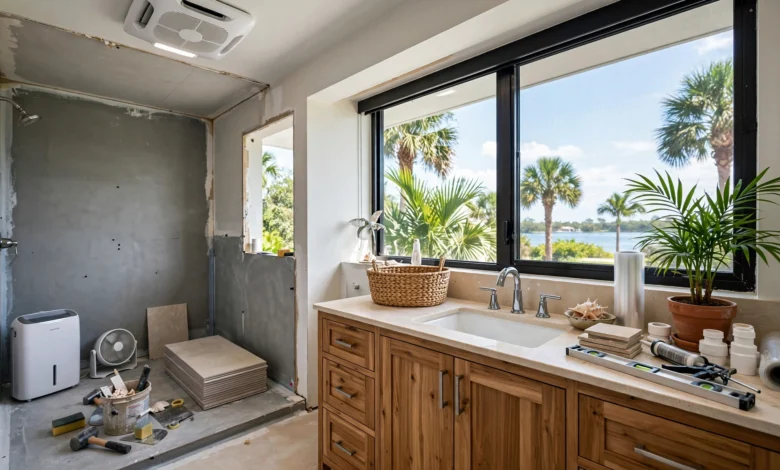
Bathroom Renovation Tips: 12 Essential Ways Florida Homeowners Can Avoid Costly Mistakes
Bathroom renovation tips that work in Ohio or Oregon don’t always hold up in Florida, and that’s a lesson a lot of homeowners learn the hard way, usually about eighteen months after their new bathroom starts smelling faintly of mildew. Florida’s climate is genuinely different from most of the country, and a renovation that ignores that fact tends to age badly no matter how nice it looks on the day the contractor packs up.
Between the year-round humidity, the risk of tropical storms and flooding, strict building codes in coastal counties, and a housing stock that ranges from 1960s concrete block homes to brand-new builds in Windermere and Lake Mary, Florida presents a different set of challenges than most renovation guides account for. What works in a dry climate, like standard drywall or a poorly vented exhaust fan, can lead to mold, warped cabinetry and structural damage within a few short years here.
This guide pulls together practical, Florida-specific advice for anyone planning a bathroom remodel, whether you’re doing a full gut renovation in a Tampa Bay home, updating a guest bathroom in a Jacksonville colonial, or preparing a primary suite for aging in place in a Naples retirement community. We’ll cover materials, ventilation, permits, flood zone considerations, and budgeting, so your finished bathroom still looks and functions the way it should five or ten years down the line, not just on move-in day.
Why Florida Bathrooms Need a Different Approach
Florida’s combination of high humidity, heavy seasonal rainfall and hurricane exposure puts more stress on a bathroom than almost any other room in the house. Add in the number of homes located in FEMA-designated flood zones, particularly near the coast and along major waterways, and it becomes clear why a generic renovation checklist isn’t enough.
A bathroom renovation in Florida has to account for moisture control from the first decision you make, not as an afterthought once tiling is underway. That means thinking about ventilation, material selection and even paint choice differently than you would in a drier climate.
12 Bathroom Renovation Tips for Florida Homeowners
1. Start With Ventilation, Not Aesthetics
It’s tempting to begin planning with tile samples and fixture catalogs, but in Florida the exhaust fan deserves to be the first decision you make. A properly sized, properly ducted exhaust fan is the single most important mechanical system in a humid-climate bathroom.
- Size the fan for your bathroom’s square footage, with most bathrooms needing at least 50 to 80 CFM
- Vent the ductwork directly outdoors, never into the attic, since trapped moisture there accelerates mold growth and rots roof decking
- Consider a humidity-sensing fan that switches on automatically when moisture rises and shuts off once the air clears
- For larger primary suites, a second smaller fan near a separate toilet room or makeup area helps prevent stale, damp corners
Florida building codes take this seriously for good reason, and skipping proper ventilation is one of the most expensive mistakes a homeowner can make.


2. Choose Mold-Resistant Materials Throughout
Standard drywall has no place in a Florida bathroom. Mold-resistant drywall, often called greenboard, along with waterproof cement backer board behind all tiled surfaces, gives your renovation a fighting chance against the state’s relentless humidity.
Beyond the walls, pay attention to:
- Flooring: porcelain and ceramic tile remain the top choice for Florida bathrooms because of their durability and resistance to moisture
- Grout: epoxy or polyurethane grout resists moisture penetration far better than standard cement-based grout
- Cabinetry: laminated or moisture-sealed cabinets hold up better than raw wood, particularly near the shower or tub
- Paint: a mildew-resistant primer paired with a washable topcoat helps you spot and clean early moisture spots before they spread
Large-format tiles are worth considering here too, since fewer grout lines mean fewer places for mold to take hold.
3. Understand Your Local Permit Requirements Before You Start
Most bathroom renovations in Florida require a permit, particularly if the project touches plumbing, electrical work or the structure of the room. A cosmetic refresh, new paint, hardware or a simple fixture swap, is often permit-free, but anything involving a full gut remodel or a layout change almost certainly isn’t.
Requirements vary by county and city, so it’s worth checking directly with your local building department before finalizing your design. Skipping this step is a common and expensive mistake: unpermitted work can complicate a home sale down the line and, in some cases, force homeowners to redo completed work to bring it up to code.
4. Check Whether Your Home Sits in a Flood Zone
If your property falls within a FEMA-designated flood zone, your bathroom renovation may need to account for more than moisture resistance alone. Depending on your zone designation, you might be required to use flood-resistant materials such as cement board, tile or closed-cell insulation, and to elevate electrical fixtures and plumbing above the base flood elevation.
You can check your property’s flood zone status through FEMA’s official flood map service, which is the most reliable way to confirm whether these additional requirements apply before you commit to a design or budget.
5. Plan for a Wet Zone and Dry Zone Layout
A clear separation between the “wet zone,” your shower or tub, and the “dry zone,” your vanity and toilet, makes a bathroom function better day to day and also limits how far moisture travels through the room. This is a simple layout principle, but it has an outsized effect on both usability and long-term durability in a humid climate.
- Keep the vanity and any wood or upholstered elements away from direct spray
- Use a glass panel or partial screen to contain water within the wet zone
- Slope tiled flooring slightly toward a drain in open, curbless shower designs
6. Consider a Tub-to-Shower Conversion
A growing number of Florida homeowners are converting underused bathtubs into walk-in showers, and it’s easy to see why. A bathtub holds standing water and creates a moisture trap that a well-ventilated shower simply doesn’t. Removing it improves airflow, reduces mold risk, and, for many households, better matches how the bathroom actually gets used day to day.
If you have young children or plan to sell to a family buyer, keeping at least one tub in the home is worth considering, but for a primary suite or guest bathroom that rarely sees a bath, a shower conversion is one of the more practical bathroom renovation decisions you can make.
7. Build in Accessibility Features Early
Florida’s large population of retirees and aging homeowners means accessibility is a bigger consideration here than in many other states. Even if you don’t need these features today, building them in during a renovation is far cheaper than retrofitting later.
Affordable, high-impact additions include:
- Grab bars near the toilet and inside the shower
- Lever-style faucet handles instead of knobs
- A comfort-height toilet, typically 17 to 19 inches
- Non-slip tile with a coefficient of friction of 0.60 or higher
- A handheld showerhead and a removable shower bench
These changes typically add a modest amount to the overall project cost but meaningfully improve safety and long-term usability.
8. Choose a Floating Vanity for Better Airflow
Wall-mounted, or floating, vanities have become a defining feature of Florida bathroom design, and it’s not purely aesthetic. Lifting cabinetry off the floor allows air to circulate underneath, which reduces the moisture buildup that leads to warped cabinets and mold growth at floor level. It also makes cleaning easier and gives the room a more open, modern feel, particularly in smaller guest bathrooms.
9. Prioritize Water-Saving and Energy-Efficient Fixtures
Florida’s climate means air conditioning and water heating already account for a significant share of household utility costs, so a renovation is a natural opportunity to cut down on both. Low-flow showerheads, dual-flush toilets and ENERGY STAR-rated fixtures reduce water and electricity use without any noticeable drop in performance.
The ENERGY STAR program publishes certified product listings for bathroom fixtures and ventilation fans, which is a useful reference when comparing options during the specification stage of your renovation.
10. Budget Realistically, With a Contingency Built In
Bathroom renovation costs in Florida vary widely depending on scope, location and finish level, but as a general rule, a full gut remodel costs considerably more than a mid-level update that keeps the existing plumbing and electrical layout in place. Whatever your target budget, set aside 10 to 20 percent as a contingency for unexpected issues, which come up more often in Florida renovations than most homeowners expect, particularly in older concrete block homes where plumbing and structural surprises are common once walls come down.
A simple way to control costs without cutting corners on durability:
- Prioritize the elements that affect long-term performance first: ventilation, waterproofing and flooring
- Choose cost-effective materials like luxury vinyl plank or pre-fabricated vanities for secondary bathrooms
- Save splurges, soaking tubs, rainfall showerheads, custom tilework, for the primary bathroom where they’ll get the most use
11. Hire a Licensed, Locally Experienced Contractor
Florida’s building codes, permit processes and flood zone requirements are specific enough that general renovation experience elsewhere doesn’t always translate. A licensed contractor with genuine Florida experience will already understand local humidity requirements, county-specific permit timelines and the material standards that hold up in this climate.
Ask any contractor you’re considering:
- How they handle exhaust venting and whether they follow Florida Building Code requirements for attic venting
- Whether they’ve completed similar projects in your specific county or municipality
- How they price and communicate changes if unexpected issues turn up during demolition
A contractor who can answer these clearly and confidently is generally a safer bet than one offering the lowest quote with vague answers.
12. Think About Resale Value, Even If You’re Not Selling Soon
Bathrooms consistently rank among the highest-return renovation projects in Florida’s real estate market, but only when they’re done with the climate in mind. A beautiful bathroom with signs of moisture damage or mold within a few years will hurt resale value far more than an outdated but well-maintained one. Buyers and inspectors in Florida are increasingly aware of humidity-related issues, so a renovation built around proper ventilation and moisture-resistant materials protects both your day-to-day comfort and your home’s long-term value.
Common Mistakes to Avoid
- Venting an exhaust fan into the attic instead of outdoors
- Using standard drywall instead of mold-resistant board in wet areas
- Skipping permits on projects that touch plumbing or electrical systems
- Ignoring flood zone requirements if your property falls within one
- Underestimating the humidity load in poorly ventilated primary suites with large soaking tubs
Final Thoughts
A successful bathroom renovation in Florida comes down to respecting the climate you’re building in. Ventilation, moisture-resistant materials, proper permitting and flood zone awareness matter just as much as the tile you choose or the vanity you fall in love with online. Get those fundamentals right, work with a contractor who genuinely understands Florida’s building codes, and budget realistically with room for the unexpected, and your renovation will hold up the way it should, through humid summers, hurricane seasons and everyday family life, for many years to come.