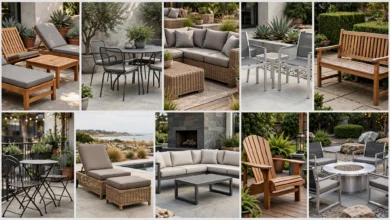
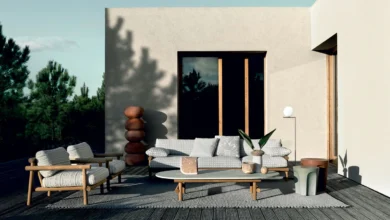
Outdoor Ideas for Homes in Western Australia
Outdoor ideas for homes in Western Australia, covering shade, water-wise gardens, and materials built for heat and sun exposure.
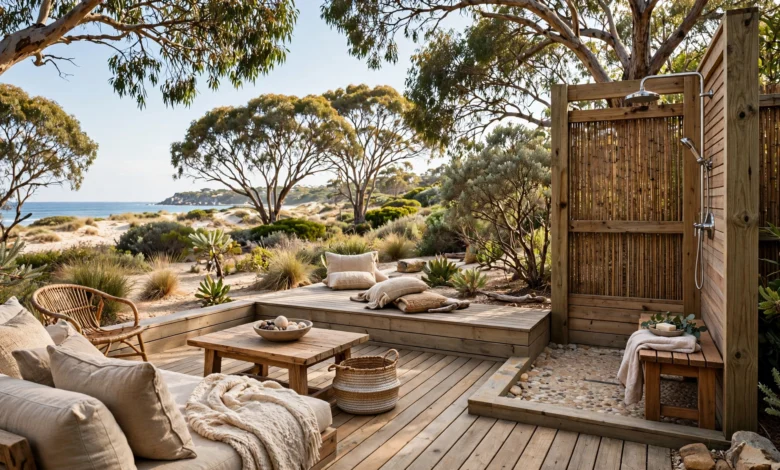
Outdoor Ideas for Homes in Western Australia: 9 Smart Ways to Build a Backyard That Lasts
Introduction
Outdoor ideas for homes in Western Australia need to start with the sun. Perth and the surrounding region rank among the sunniest capital areas in the country, with long, dry summers that put real stress on gardens, furniture, and building materials that weren’t chosen with that climate in mind. A backyard plan copied from a magazine shot in a milder climate can look great on paper and still fail within a year once the WA sun and sandy soil get involved.
The upside is that Western Australia’s climate also makes outdoor living genuinely rewarding once it’s designed properly. Long dry summers mean more usable outdoor months than most of the country gets, and the mild winters mean the yard rarely goes fully out of use. Whether you’re in a coastal suburb dealing with salt air, an inland property working with sandy, free-draining soil, or a newer build with a compact courtyard, the same core principles apply: manage the sun, respect the water restrictions, and choose materials that won’t degrade under UV exposure.
This guide covers practical, climate-smart outdoor ideas for WA homes, from shade structures and water-wise gardens to flooring, furniture, and outdoor kitchens built to handle heat and sun without falling apart. Whether you’re starting from scratch or upgrading a tired backyard, these ideas are built around the climate you’re actually working with.
Why Western Australia Needs a Climate-Specific Approach
Perth averages well over 3,000 hours of sunshine a year, among the highest of any Australian capital, alongside long stretches of little to no rain through summer. That combination means UV exposure, heat buildup, and water restrictions all play a much bigger role in outdoor design here than in cooler, wetter parts of the country.
The Water Corporation, which manages water supply across the state, enforces sprinkler rosters and seasonal watering restrictions in many parts of WA, which makes water-wise landscaping less of a style preference and more of a practical necessity for anyone wanting a garden that survives summer without a huge water bill.
1. Build Shade Into the Design From the Start
Given how intense WA sun can be, shade shouldn’t be an afterthought added once the rest of the yard is finished.
Pergolas and Shade Sails
Shade sails are a popular, cost-effective option across Perth and WA more broadly, offering flexible coverage over patios, decks, or play areas. Pergolas with louvered or fixed roofing provide a more permanent solution and can be positioned to block harsh western sun in the late afternoon specifically.
Alfresco Areas
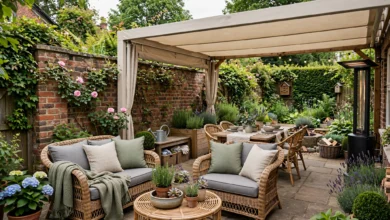
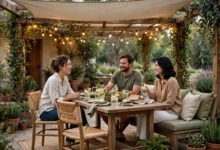
The alfresco has become a defining feature of WA home design, essentially a fully covered outdoor room attached to the house that extends living space while offering full shelter from sun and the occasional heavy rain. A well-built alfresco often becomes the most-used part of the home outside the kitchen.
Strategic Tree Placement
Deciduous trees positioned on the western or northern side of the home provide summer shade while still letting winter sun through once they drop their leaves, a detail worth factoring in during initial landscape planning.
2. Choose Water-Wise, Native Landscaping
Water restrictions and sandy, free-draining soil across much of WA make plant selection one of the most important decisions in any outdoor project.
- Kangaroo paw, grevillea, and banksia are native species that thrive in WA’s sandy soil and require minimal irrigation once established.
- Native grasses add texture and movement while handling dry conditions far better than most lawn varieties.
- Group plants by water needs, known as hydrozoning, so you’re not overwatering drought-tolerant species to keep thirstier plants alive nearby.
- Add a thick layer of mulch to garden beds to retain moisture and reduce evaporation during summer.
3. Choose Heat-Tolerant Flooring and Paving
Surface temperature matters a lot in a climate where summer days regularly push past 35 degrees.
- Light-colored pavers or concrete reflect more heat than dark stone, making a real difference to comfort underfoot.
- Composite decking in lighter tones resists warping and fading better than untreated timber exposed to constant UV.
- Natural limestone, common in WA landscaping, works well but should be sealed to prevent staining and heat absorption in darker variations.
4. Build an Outdoor Kitchen or Alfresco Cooking Zone
An outdoor kitchen keeps cooking heat out of the house during summer, which matters a great deal in a climate where indoor cooling costs can already run high.
- Position the kitchen within the shaded alfresco or under a dedicated shade structure to protect both the cook and the equipment.
- Choose stainless steel or powder-coated appliances rated for outdoor and UV exposure.
- Add a small bar fridge or wine fridge for convenience during entertaining.
- Include a sink if plumbing allows, reducing trips back into the main kitchen.
5. Add a Pool or Water Feature
Given the length and intensity of WA summers, a pool remains one of the highest-value additions for everyday use.
Pool Design Considerations
Smaller plunge pools and spools have grown in popularity across WA, offering cooling relief without the upkeep and water use of a full-sized pool, an important consideration given regional water restrictions.
Water-Wise Water Features
For those not ready for a full pool, a recirculating fountain or small pond adds a cooling visual element without significant ongoing water consumption.
6. Prioritise UV-Resistant Outdoor Furniture
WA’s sun exposure is hard on furniture that isn’t specifically built for it.
- Powder-coated aluminum frames resist rust and hold up well to both coastal salt air and inland heat.
- Solution-dyed fabric cushions resist the fading that standard fabric suffers under constant UV exposure.
- HDPE or recycled plastic furniture, popular for outdoor settings, resists cracking and fading far better than budget resin alternatives.
According to Consumer Reports, material choice plays a far bigger role in long-term durability than price point alone, which is worth keeping in mind before choosing furniture based on looks alone. You can review their outdoor furniture buying guidance for more detail on what separates long-lasting pieces from ones that fail quickly.
7. Manage Coastal Exposure If You’re Near the Water
Many WA homes sit close enough to the coast that salt air becomes a real factor in material choice.
- Choose marine-grade stainless steel for any fixtures, hardware, or outdoor kitchen appliances near the coast.
- Rinse furniture and metal fixtures periodically to remove salt buildup, which accelerates corrosion if left untreated.
- Choose coastal-tolerant planting, such as coastal rosemary or saltbush, which handle salt spray far better than inland species.
8. Add Outdoor Lighting for Extended Evening Use
With long summer days and mild evenings, good lighting stretches usable hours well into the night across most of the year in WA.
- String lighting across an alfresco or pergola adds ambiance for evening entertaining.
- Path and step lighting improves safety around pools, gardens, and outdoor kitchen areas after dark.
- Solar-powered options work particularly well given the region’s high sun exposure, cutting down on both installation complexity and running costs.
9. Plan for Bushfire and Ember Awareness
Parts of WA, particularly properties near bushland, need to factor bushfire risk into outdoor design choices.
- Choose non-combustible materials, like stone or metal, for structures closest to the home in higher-risk areas.
- Keep garden beds and mulch a safe distance from the house in bushfire-prone zones.
- Check local council guidelines on defendable space requirements before finalizing landscaping near bushland boundaries.
Conclusion
Designing a great outdoor space in Western Australia comes down to respecting the climate you’re actually working with rather than importing ideas built for cooler, wetter regions. Prioritise shade through an alfresco, pergola, or shade sails, choose water-wise native planting suited to sandy soil, and pick flooring and furniture materials that can handle intense UV exposure without breaking down. Add a pool or water feature if it fits your budget and water allowance, account for coastal salt exposure if you’re near the water, and keep bushfire risk in mind if your property backs onto bushland. Get those fundamentals right, and a WA backyard can be one of the most-used parts of the home for the vast majority of the year.