20 Gardening Ideas for Beginners Who Want a Beautiful Yard
20 gardening ideas for beginners covering soil, plant choices, layout, and simple habits that lead to a genuinely beautiful yard.
20 Easy Gardening Ideas for Beginners Who Want a Beautiful Yard
Introduction
Gardening ideas for beginners don’t need to be complicated to actually work. A lot of first-time gardeners assume they need to know Latin plant names or have a green thumb from childhood before they can grow anything worth looking at. That’s not true. Most successful beginner gardens come down to a handful of basics done consistently, not some hidden talent.
The biggest mistakes new gardeners make are usually predictable: planting the wrong thing in the wrong spot, overwatering out of anxiety, or trying to tackle an entire yard in one weekend instead of building it up gradually. Once you understand your sunlight, your soil, and a realistic maintenance schedule, the rest tends to fall into place.
This guide covers 20 practical, beginner-friendly gardening ideas that actually lead to a yard you’ll be proud of, not just a list of plant names with no context. From understanding your growing zone to choosing low-maintenance plants, building healthy soil, and avoiding common rookie mistakes, these ideas are meant to give you a real foundation rather than overwhelming you with advanced techniques you don’t need yet. Whether you’re working with a full backyard or a small patio full of containers, start here and build from a place that actually makes sense for where you’re starting out.
Why Starting With the Basics Matters for New Gardeners
Jumping straight into complicated garden design before understanding the fundamentals is one of the most common reasons beginner gardens fail. According to the U.S. Department of Agriculture, matching plants to your specific hardiness zone is one of the single biggest predictors of gardening success, since even a well-cared-for plant will struggle if it’s simply not suited to your regional climate.
Getting the basics right early, sunlight, soil, and appropriate plant selection, sets up everything else in this guide to actually work, rather than fighting against conditions your yard can’t support.
1. Know Your Hardiness Zone
Before buying a single plant, look up your USDA hardiness zone. This tells you which plants are realistically suited to your area’s temperature range and growing season, and it prevents the common beginner mistake of falling in love with a plant that simply can’t survive your winters.
2. Watch Your Sunlight Before You Plant Anything
Spend a few days observing how much direct sun different parts of your yard actually get. Areas can range from full sun (6+ hours) to full shade, and mismatching a sun-loving plant with a shady spot is one of the fastest ways to waste time and money as a beginner.
3. Start Small and Expand Gradually
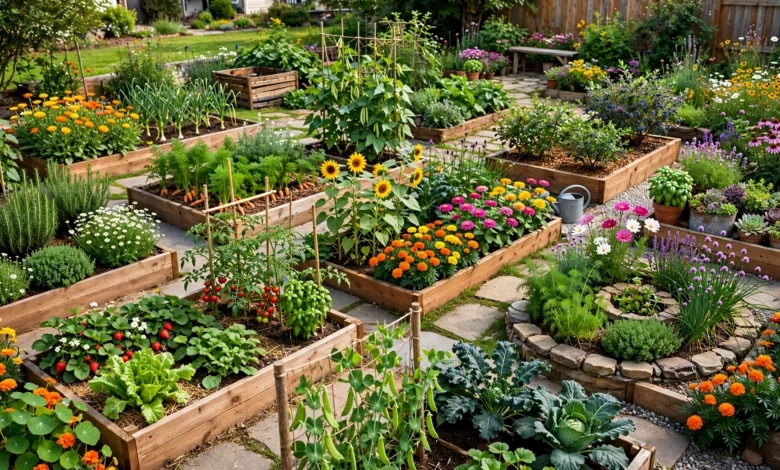
It’s tempting to plan an entire yard transformation at once, but starting with one manageable bed and expanding each season is far more sustainable. A small, well-maintained garden looks better and teaches you more than a large one you can’t keep up with.
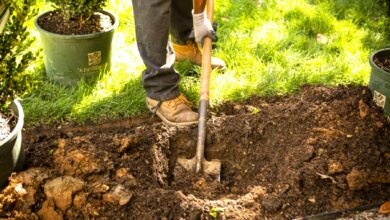
4. Test and Improve Your Soil
Healthy soil is the foundation of a beautiful yard, and most beginner gardening problems trace back to poor soil rather than poor plant choice.
- Pick up a basic soil test kit to check pH and nutrient levels before planting.
- Add compost to improve both drainage and fertility in most soil types.
- Avoid working wet, compacted soil, since it damages soil structure and root development.
5. Choose Low-Maintenance Plants When Starting Out
Save the high-maintenance specialty plants for later once you’ve built some confidence. Good beginner-friendly options include:
- Sedum and other succulents, which tolerate inconsistent watering well
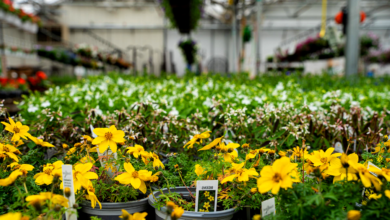
- Coneflowers and black-eyed Susans, hardy perennials that handle a range of soil conditions
- Ornamental grasses, which require minimal care once established
- Herbs like rosemary, thyme, and mint, which are forgiving and useful in the kitchen
6. Group Plants by Water Needs
This technique, sometimes called hydrozoning, means planting species with similar water requirements near each other. It prevents the common beginner problem of overwatering drought-tolerant plants just to keep thirstier neighbors alive.
7. Mulch Your Garden Beds
A layer of mulch, whether wood chips, straw, or bark, does a lot of quiet work in a beginner garden:
- Retains soil moisture, reducing how often you need to water
- Suppresses weeds, cutting down on maintenance
- Regulates soil temperature and improves appearance almost instantly
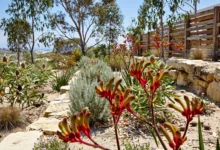
8. Plant Native Species
Native plants are adapted to your local climate and soil, which means less watering, less fertilizer, and fewer pest problems compared to non-native ornamentals. They also tend to support local pollinators far better than imported varieties.
9. Don’t Overcrowd Your Beds
New gardeners often plant too closely together, not accounting for how much a plant will grow. Always check the mature spread listed on plant tags and space accordingly, even if the bed looks sparse at first.
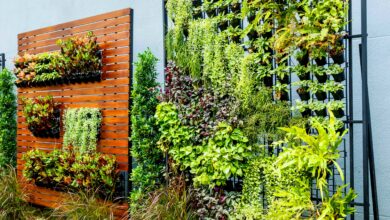
10. Use Containers if Space Is Limited
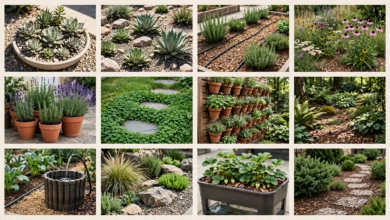
You don’t need a full yard to garden well. Containers work great for herbs, small vegetables, and flowering annuals, and they give beginners more control over soil and drainage while you build confidence.
11. Learn a Basic Watering Schedule
Overwatering is one of the most common beginner mistakes, often more damaging than underwatering. A general rule: water deeply but less frequently, encouraging roots to grow downward rather than staying shallow near the surface.
12. Add a Focal Point
A single focal point, like a small tree, an arbor, or an ornamental planter, gives an otherwise flat garden a sense of structure. It’s a simple design trick that makes even a modest yard feel intentional rather than random.
13. Create Defined Edges
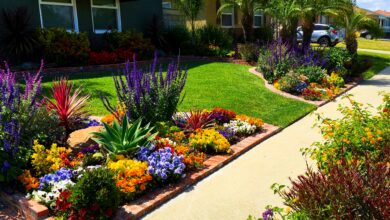
Clean, defined bed edges instantly make a garden look more polished, even if the plants inside are still filling in. Simple edging materials like brick, steel, or plastic edging work well for beginners.
14. Plant in Layers
Think in terms of height when designing a bed: taller plants toward the back or center, mid-height plants filling the middle ground, and low-growing plants or ground cover along the front. This layered approach reads as far more professional than a flat, single-height planting.
15. Add Seasonal Interest
A common beginner mistake is planting only for spring and summer, leaving the garden bare the rest of the year. Mix in some plants with fall color or winter structure, like ornamental grasses or evergreen shrubs, to keep the space interesting year-round.
16. Learn to Deadhead and Prune Lightly
Removing spent flowers, known as deadheading, encourages many plants to keep blooming longer. Light, regular pruning also keeps shrubs and perennials healthier than occasional, heavy cutting.
17. Attract Pollinators
Adding a few pollinator-friendly plants, like lavender, bee balm, or milkweed, supports local bees and butterflies while also improving how well your other plants produce flowers and fruit. The Xerces Society offers detailed pollinator-friendly planting guidance that’s a great resource for beginners wanting to design with pollinators in mind from the start.
18. Keep a Simple Garden Journal
Track what you planted, where, and how it performed. This sounds minor, but it becomes incredibly useful for a beginner trying to figure out what worked and what didn’t from one season to the next.
19. Don’t Fight Your Climate
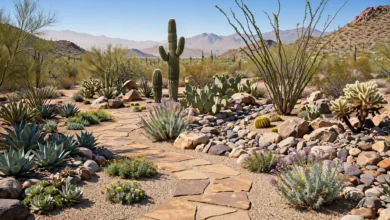
Rather than forcing plants that struggle in your specific conditions, work with what naturally thrives there. A garden built around your actual climate, whether that’s dry and sunny or wet and shaded, will always look better and require less effort than one constantly fighting its environment.
20. Be Patient With the Process
Gardens take time to mature, and most beginner gardens look noticeably better in year two or three than they do the first season. Resist the urge to judge your results too early, and give plants a full growing season before deciding whether something needs to change.
Common Beginner Mistakes to Avoid
A quick recap of the pitfalls that trip up most new gardeners:
- Planting without checking sun exposure or hardiness zone first
- Overwatering out of anxiety rather than following an actual schedule
- Skipping soil preparation and testing
- Overcrowding beds without accounting for mature plant size
- Giving up too early instead of letting a garden mature over a full season or two
Conclusion
Building a beautiful yard as a beginner really comes down to getting the fundamentals right and being patient while things fill in. Know your hardiness zone and sunlight conditions, invest in decent soil, and start with low-maintenance, well-suited plants before branching out into anything more advanced. Mulch, define your bed edges, and think about layering and seasonal interest to give the space some real structure. None of these ideas require special skill, just consistency and a willingness to learn from what does and doesn’t work in your specific yard. Stick with it for a season or two, and you’ll likely be surprised at how far these basics take you