Gardening Tips Perfect for Homeowners in California
Gardening tips for California homeowners covering native plants, smart watering, soil care, drought-tolerant landscaping, and year-round garden success.
Gardening Tips for California Homeowners: 15 Proven & Brilliant Ideas for a Beautiful Yard
Gardening Tips for California Homeowners can make it much easier to create an attractive, healthy, and sustainable outdoor space while dealing with the state’s diverse climates, dry summers, water concerns, and changing weather patterns. California is not a single gardening environment. A coastal garden in San Diego has very different needs from a backyard in Sacramento, a mountain property near Lake Tahoe, or a dry inland landscape around Palm Springs.
That diversity is why successful California gardening starts with understanding your specific location rather than copying a garden design from another region. The right plants, soil preparation, irrigation method, planting schedule, and maintenance routine can significantly reduce water consumption while keeping your landscape colorful and inviting.
For many homeowners, the most practical approach is water-wise gardening. California Department of Water Resources recommends assessing existing irrigation, soil, sunlight, and regional plant requirements before redesigning a landscape. Its guidance also points homeowners toward WUCOLS, a resource that classifies plants according to their water needs in different California regions.
Native plants are another valuable part of a successful landscape. Many California native plants are adapted to local conditions and can provide habitat for birds, butterflies, bees, and other wildlife. UC Master Gardeners notes that many natives can thrive with little water once properly established.
This guide provides practical gardening tips for California homeowners who want a beautiful yard without unnecessary watering, excessive maintenance, or unsuitable plants.
Why California Homeowners Need a Different Gardening Strategy
California’s geography creates dramatically different gardening conditions. Some regions experience cool, foggy coastal weather, while inland valleys can become extremely hot during summer. Northern California also receives substantially different rainfall than Southern California and desert regions.
Calscape emphasizes that California has extremely diverse climates, with major differences in rainfall, temperature, elevation, humidity, and drought conditions—even between relatively nearby locations.
Before purchasing plants, consider:
- Your city’s climate and microclimate
- Annual rainfall
- Summer temperatures
- Sun exposure
- Soil type and drainage
- Existing irrigation
- Available garden space
- Plant water requirements
- Wildlife and pollinator needs
The most important principle is simple: choose the right plant for the right place.
A beautiful plant that requires constant irrigation may become an expensive and difficult addition to a dry California yard. A locally appropriate plant, however, can often perform well with considerably less intervention.
1. Choose California Native Plants First
One of the most valuable gardening tips for California homeowners is to consider locally appropriate native plants before selecting ornamental species from other regions.
Native plants have evolved under local environmental conditions. Depending on the species and location, they may tolerate California’s dry summers, native soils, seasonal rainfall patterns, and local temperatures better than plants accustomed to wetter climates.
UC Master Gardeners recommends using local information when selecting native plants because not every plant labeled “California native” is appropriate for every part of the state.
Good choices can include plants such as:
- California poppy
- California lilac or Ceanothus
- Manzanita
- California sagebrush
- Deergrass
- Buckwheat
- Western redbud
- Toyon
- Native sages
- Seaside daisy
However, plant selection should always be based on your specific location and growing conditions.
The California Native Plant Society recommends examining sunlight, soil, and site conditions before selecting plants.
California Native Plant Society plant-selection guidance
Why Native Plants Work Well
A thoughtfully designed native plant garden can:
- Reduce irrigation requirements
- Support native wildlife
- Provide seasonal color
- Reduce fertilizer needs
- Lower maintenance
- Improve biodiversity
- Create a stronger connection with the local landscape
Native plants are not maintenance-free, especially during establishment, but they can become significantly easier to manage once their root systems are developed.
2. Build a Water-Wise California Garden
Water conservation should be central to California gardening.
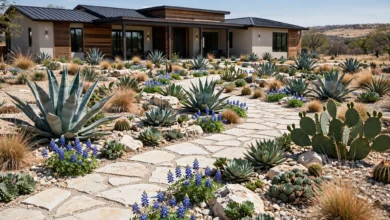
A water-wise landscape does not have to look dry or boring. Instead, it uses plants and irrigation methods that match local water availability.
California Department of Water Resources recommends selecting water-efficient plants and irrigation systems while considering soil, sunlight, and regional conditions.
A water-wise yard can include:
- Native shrubs
- Flowering perennials
- Ornamental grasses
- Succulents
- Trees appropriate for the region
- Ground covers
- Small lawn areas
- Vegetable beds
- Mulched planting areas
- Efficient irrigation
The goal is not simply to eliminate water. The goal is to use water where it provides the greatest benefit.
Group Plants by Water Requirements
Avoid putting thirsty plants next to drought-adapted species.
Instead, create irrigation zones such as:
Low-water zone: Native shrubs, drought-tolerant perennials, succulents.
Moderate-water zone: Selected flowering plants and ornamental plants requiring occasional irrigation.
Higher-water zone: Vegetables, herbs, fruit trees, or plants requiring more consistent moisture.
Grouping plants by water needs makes irrigation more efficient and prevents some plants from being overwatered simply because they share the same sprinkler system.
3. Install Drip Irrigation Instead of Relying on Sprinklers
Efficient irrigation is one of the most practical gardening tips for California homeowners.
Traditional sprinklers can lose water through evaporation, wind, and overspray. Drip irrigation delivers water closer to plant roots and can be especially useful for planting beds, shrubs, trees, and vegetable gardens.
UC Agriculture and Natural Resources provides extensive resources covering drip irrigation, smart controllers, lawn watering, and water conservation.
A good irrigation system should:
- Deliver water directly to the root zone.
- Avoid unnecessary runoff.
- Be divided into appropriate watering zones.
- Be checked regularly for leaks.
- Adjust to seasonal conditions.
- Avoid watering during unnecessary periods.
Consider installing a smart irrigation controller that can adjust watering according to weather and landscape needs.
The important point is that an efficient irrigation system still requires monitoring. Even the best equipment can waste water if it is incorrectly programmed.
4. Water Deeply Rather Than Constantly
Frequent shallow watering can encourage shallow roots. For established plants that tolerate dry conditions, deeper and less frequent irrigation can encourage roots to grow farther into the soil.
UC Master Gardeners recommends infrequent, deep watering for water-wise landscapes and notes that newly planted native plants need regular water until their roots become established.
A practical approach is to check the soil before watering.
Insert your finger several inches into the soil or use an appropriate moisture meter. If the soil is still moist at the root zone, watering may not be necessary.
However, watering needs vary considerably by:
- Plant species
- Soil type
- Season
- Temperature
- Exposure
- Plant age
- Container size
- Recent rainfall
Newly planted trees and shrubs require more attention than established specimens.
5. Use Mulch to Protect Soil Moisture
Mulch is one of the simplest and most effective California gardening practices.
A suitable mulch layer can help reduce evaporation, suppress weeds, moderate soil temperatures, and protect plant roots.
UC Master Gardeners recommends approximately a 3- to 4-inch mulch layer for water-wise landscapes, while emphasizing the importance of keeping mulch away from plant stems and tree trunks.
Potential mulch materials include:
- Wood chips
- Shredded bark
- Compost
- Leaves
- Other suitable organic materials
Do not create a thick mound of mulch directly against tree trunks. This can contribute to moisture and disease problems around the trunk.
Where Mulch Helps Most
Use mulch around:
- Trees
- Shrubs
- Flower beds
- Native plant beds
- Vegetable gardens
- Newly landscaped areas
Mulching is especially useful during hot weather because it helps slow the loss of moisture from exposed soil.
6. Improve Your Soil Before Planting
Healthy soil is the foundation of a productive garden.
Before planting, examine whether your soil is sandy, clay-heavy, compacted, rocky, or well-drained. California gardens can have very different soil conditions, so a one-size-fits-all approach is not appropriate.
The California Native Plant Society specifically recommends evaluating soil before choosing plants.
Test Before Making Major Changes
A soil test can help identify:
- pH
- Nutrient levels
- Salinity concerns
- Organic matter
- Other characteristics affecting plant growth
For native plants, avoid automatically adding large amounts of amendments. Some California natives are adapted to relatively poor soils and may actually perform poorly when given excessive fertility or moisture.
Instead, match the soil strategy to the plants you intend to grow.
7. Create a Low-Maintenance Landscape
A low-maintenance landscape is not the same as an abandoned landscape.
The best low-maintenance landscaping strategy is to design the garden so it naturally requires less work.
Reduce unnecessary maintenance by:
- Choosing climate-appropriate plants
- Limiting large areas of thirsty lawn
- Installing efficient irrigation
- Mulching planting beds
- Grouping plants by water needs
- Avoiding excessive fertilizer
- Selecting naturally manageable plants
- Using ground covers where appropriate
- Allowing suitable native plants to maintain natural shapes
California Department of Water Resources highlights water-efficient planting and irrigation as important components of sustainable landscape planning.
A landscape designed around these principles can save homeowners time as well as water.
8. Rethink the Traditional Lawn
Large lawns can require substantial irrigation and regular maintenance.
That does not mean California homeowners must eliminate every patch of grass. A small, functional lawn can still be useful for children, pets, recreation, or entertaining.
Instead, ask whether every part of your lawn is actually needed.
You could replace unused areas with:
- Native ground covers
- Gravel paths
- Mulched beds
- Drought-tolerant shrubs
- Ornamental grasses
- Patio space
- Seating areas
- Pollinator-friendly plants
UC Agriculture and Natural Resources specifically recommends replacing nonessential turf with alternatives such as ground covers, mulch, decks, and walkways as part of water-wise landscaping.
The result can be a more visually interesting yard with less mowing and irrigation.
9. Select Drought-Tolerant Plants Carefully
The term “drought-tolerant” should not mean “plant it and never water it.”
Most plants require appropriate care while becoming established.
UC Master Gardeners notes that many California native plants need supplemental water during their establishment period, which may take one to two years depending on the plant and circumstances.
When selecting drought-tolerant plants, evaluate:
- Mature size
- Sun requirements
- Soil requirements
- Drainage needs
- Water needs
- Frost tolerance
- Heat tolerance
- Maintenance requirements
- Wildlife value
Some plants that tolerate drought may still perform poorly in heavy clay, poorly drained soil, deep shade, or locations with excessive summer irrigation.
Therefore, drought tolerance is only one part of successful plant selection.
10. Plant at the Right Time
Timing matters greatly in California gardening.
For many California native plants, cooler seasons can provide better establishment conditions than the hottest part of summer.
Fall planting can be particularly useful in areas where winter rainfall helps new plants develop roots before the following summer.
UC ANR water-wise gardening guidance recommends fall as a favorable planting period for large planting projects because cooler conditions and winter rains can help plants establish before summer heat.
However, California has several climate zones, so planting calendars should be adjusted to your region.
Before planting, check local recommendations for:
- Coastal California
- Southern California
- Central Valley
- Northern California
- Inland valleys
- Mountain regions
- Desert areas
11. Design a Pollinator-Friendly Garden
A garden can be both beautiful and useful for wildlife.
California native plants can provide food and shelter for native birds, butterflies, bees, and other wildlife. UC Master Gardeners specifically highlights these ecological benefits.
To create a pollinator-friendly garden:
- Choose flowering plants with different bloom periods.
- Include native species.
- Provide shallow water sources where appropriate.
- Avoid unnecessary pesticide applications.
- Include plants of different heights.
- Leave some natural material for habitat.
- Avoid removing every fallen leaf or seedhead.
A pollinator garden can add color while supporting local ecosystems.
12. Grow an Edible California Garden
Not every garden needs to be purely ornamental.
A small California vegetable garden can provide herbs, vegetables, and fruit while making your outdoor space more productive.
Depending on your region and season, consider growing:
- Tomatoes
- Peppers
- Lettuce
- Kale
- Herbs
- Beans
- Carrots
- Strawberries
- Citrus
- Other locally appropriate fruits and vegetables
Vegetable gardens generally need more consistent moisture than many native landscape plants. For this reason, edible plants should usually have their own irrigation zone.
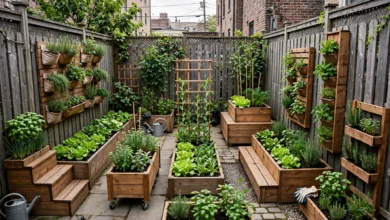
Raised beds or containers can also make it easier to control soil quality and watering.
13. Protect Plants From California Heat
Hot weather can place considerable stress on plants, especially newly planted specimens.
During extreme heat:
- Check plants regularly.
- Monitor soil moisture.
- Inspect irrigation systems.
- Protect vulnerable young plants.
- Maintain appropriate mulch.
- Avoid unnecessary pruning.
- Watch container plants closely.
Containers can dry out much faster than plants growing directly in the ground.
A plant that is perfectly drought-tolerant in the landscape may still require regular irrigation when growing in a small pot.
UC Master Gardeners emphasizes that watering needs depend on factors such as soil, sun exposure, temperature, and establishment stage.
14. Avoid Over-Fertilizing Your Garden
More fertilizer does not automatically produce a healthier garden.
Excessive fertilizer can encourage rapid growth, potentially increasing water requirements and creating weaker growth.
For many California native plants, little or no fertilizer may be necessary once they are growing in an appropriate location.
Instead of automatically fertilizing, observe the plant first.
Look for:
- Poor growth
- Unusual leaf color
- Stunted development
- Repeated pest problems
- Other symptoms of nutrient imbalance
If problems occur, identify the underlying cause before applying fertilizer.
Sometimes poor plant performance is caused by incorrect watering, poor drainage, unsuitable sunlight, compacted soil, or choosing the wrong plant for the location.
15. Maintain Your Garden With Seasonal Checkups
A beautiful garden does not require constant work, but it does benefit from regular observation.
Spring
Focus on:
- Checking irrigation
- Removing unwanted weeds
- Inspecting new growth
- Planting suitable seasonal crops
- Checking mulch depth
- Monitoring pests
Summer
Focus on:
- Efficient irrigation
- Soil moisture
- Heat stress
- Container watering
- Mulch condition
- Removing dead or damaged material when appropriate
Fall
This is an excellent period for many landscape planting projects.
Focus on:
- Planting suitable natives
- Preparing soil
- Adding mulch
- Adjusting irrigation
- Cleaning up selectively
- Planning winter gardens
Winter
Use the cooler season to:
- Observe drainage
- Repair irrigation
- Prune only when appropriate
- Plan spring planting
- Monitor heavy rainfall
- Remove standing water where it creates problems
How to Plan a California Garden From Scratch
If you are starting with an empty yard, avoid buying plants before creating a plan.
Step 1: Study Your Yard
Identify:
- Sunny areas
- Shaded areas
- Slopes
- Drainage patterns
- Existing trees
- Wind exposure
- Soil conditions
- Water sources
Step 2: Identify Your Local Climate
Your city is only the starting point. Your property’s elevation, slope, shade, nearby buildings, and coastal influence can create a different microclimate.
Step 3: Select Appropriate Plants
Use reliable resources to identify plants suited to your location.
Calscape allows users to search for plants based on location and characteristics such as water requirements, sun exposure, plant type, and ease of growing.
Calscape California Native Plant Gardening Guide
Step 4: Divide the Yard Into Water Zones
Keep plants with similar water needs together.
Step 5: Install Irrigation
Install drip irrigation or another efficient system before completing the planting.
Step 6: Plant and Mulch
Plant during an appropriate season and apply suitable mulch around established planting areas.
Step 7: Monitor Instead of Guessing
Watch the plants and soil. Adjust watering according to actual conditions rather than following a rigid schedule all year.
Common California Gardening Mistakes to Avoid
Even homeowners with good intentions can make mistakes when designing a landscape.
Planting Without Checking Mature Size
A small nursery plant can eventually become a large shrub or tree. Always check its mature dimensions before planting.
Watering Everything the Same Way
Different plants have different requirements. Separate irrigation zones can prevent both underwatering and overwatering.
Assuming Every Native Plant Is Drought-Proof
A plant native to California may still need specific soil moisture, shade, drainage, or establishment care.
Keeping Too Much Turf
If large lawn areas are rarely used, replacing some turf can reduce maintenance and irrigation demands.
Ignoring Drainage
Many plants that tolerate drought do not tolerate constantly wet soil. Calscape emphasizes matching plants to appropriate drainage and moisture conditions.
Over-Pruning
Many native plants look best when allowed to maintain their natural shape. UC Master Gardeners recommends avoiding unnecessary maintenance and allowing suitable natural growth.
A Simple California Gardening Checklist
Use this checklist to keep your yard efficient and healthy:
- Identify your local climate and microclimate.
- Check sunlight throughout the day.
- Examine soil and drainage.
- Select locally appropriate plants.
- Consider California native plants.
- Group plants according to water needs.
- Install efficient irrigation.
- Check irrigation for leaks.
- Apply appropriate mulch.
- Reduce unnecessary lawn.
- Avoid excessive fertilizer.
- Monitor newly planted plants carefully.
- Adjust watering seasonally.
- Add pollinator-friendly species.
- Maintain garden paths and planting areas.
- Review the landscape at least once each season.
Best Resources for California Homeowners
Reliable information is particularly important when choosing plants because California’s gardening conditions vary so much.
The University of California Agriculture and Natural Resources provides extensive resources covering water-wise gardening, irrigation, native plants, sustainable landscaping, and lawn care.
UC Agriculture and Natural Resources Water-Wise Gardening resources
The California Department of Water Resources also provides guidance on water-efficient landscaping, including plant selection, irrigation, soil assessment, and WUCOLS.
California Department of Water Resources Water-Efficient Landscaping Guide
These sources are more useful than relying solely on generic gardening advice because they address California’s particular climate and water conditions.
Final Thoughts on Gardening Tips for California Homeowners
Gardening Tips for California Homeowners are ultimately about working with the state’s climate rather than against it. The most successful yards generally begin with appropriate plant selection, careful attention to soil and sunlight, efficient irrigation, proper mulching, and realistic maintenance expectations. California native plants can provide an especially strong foundation because many are adapted to local environmental conditions and can support native wildlife when correctly matched to their location. Water-wise landscaping does not mean sacrificing beauty; thoughtful combinations of flowering plants, shrubs, grasses, trees, edible crops, pathways, and outdoor living areas can create a vibrant landscape while using resources responsibly. Homeowners should also remember that California contains many different climates, so the ideal garden in one city may be unsuitable in another. By studying your property’s microclimate, grouping plants by water requirements, watering deeply when appropriate, reducing unnecessary turf, and adjusting care throughout the seasons, you can create a healthier, more attractive, and easier-to-maintain outdoor space that fits California’s unique gardening conditions.