What to Expect When Hiring a Landscape Designer
Hiring a landscape designer? Here's exactly what to expect, from the first call to the final planting, so your yard project stays on track.
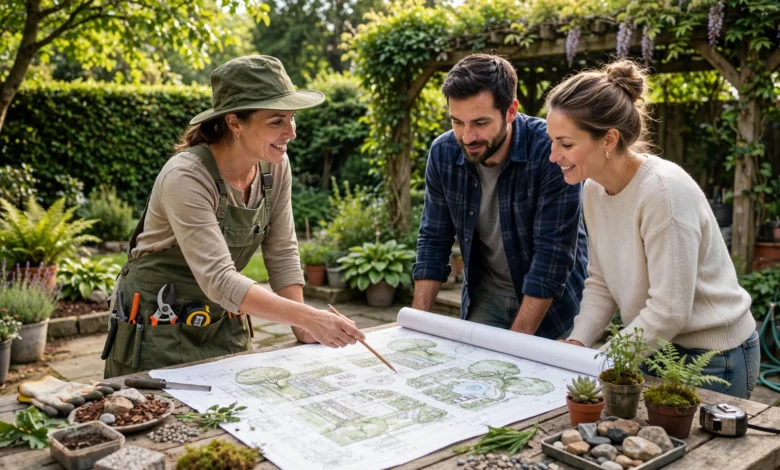
Hiring a Landscape Designer: What to Expect in 7 Essential Steps for a Stunning Yard
Hiring a landscape designer is one of those decisions that feels bigger than it should, mostly because most homeowners have never done it before. You know you want your yard to look better. You might have a Pinterest board full of stone patios and native plant beds. But what actually happens once you pick up the phone and call someone?
This guide walks through the real process, step by step, so you’re not guessing. We’ll cover what a landscape designer does day to day, how much you should expect to pay, the questions worth asking before you sign anything, and the warning signs that tell you to keep looking. Whether you’re redoing a small backyard or planning a full front-to-back overhaul, knowing what’s coming makes the whole experience less stressful and a lot more productive.
A good landscape design process isn’t just about picking pretty plants. It’s part budgeting exercise, part problem-solving session (drainage issues, sun exposure, soil quality), and part creative collaboration. The designer you hire will spend as much time listening to how you actually use your outdoor space as they will sketching plans. By the end of this article, you’ll know what a fair timeline looks like, what belongs in a contract, and how to tell a solid professional from someone just winging it.
What Does a Landscape Designer Actually Do?
Before getting into the step-by-step process, it helps to understand the role itself. A landscape designer plans the layout, plant selection, hardscaping (patios, walkways, retaining walls), and overall flow of an outdoor space. They’re different from a landscaper, who typically handles the physical installation and maintenance, though some companies offer both services under one roof.
A landscape designer’s job usually includes:
- Assessing your property’s soil, drainage, sun exposure, and existing structures
- Creating design concepts that match your style and budget
- Selecting plants suited to your climate zone and maintenance preferences
- Drawing detailed plans, sometimes with 3D renderings
- Recommending materials for patios, paths, lighting, and irrigation
- Coordinating with contractors during installation, if that’s part of the agreement
Some designers work independently and hand off the physical work to a separate landscaping crew. Others are part of a design-build firm that manages everything from concept to construction. Knowing which type you’re hiring changes what you should expect from the relationship.
Step 1: The Initial Consultation
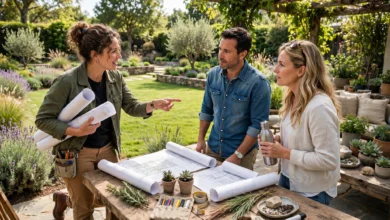
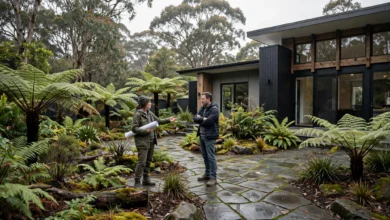
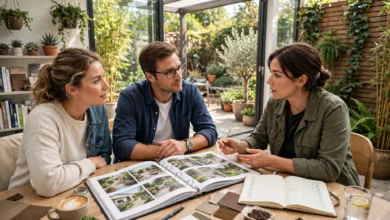
This is where the landscape design relationship starts, and it’s usually free or low-cost. The designer visits your property (or in some cases does a video call) to get a feel for the space and hear what you want.
Come prepared. Bring photos of styles you like, a rough idea of your budget, and a list of must-haves versus nice-to-haves. If you have specific frustrations, like a soggy corner of the yard or a patio that’s always in full sun, mention them now. This is also your chance to size up the designer. Do they ask good questions? Do they listen, or do they immediately start pitching their own ideas?
A consultation typically covers:
- Your goals for the space (entertaining, privacy, play area, low-maintenance greenery, etc.)
- Your rough budget range
- Timeline expectations
- Any existing issues with the property (drainage, tree roots, slope)
- Whether you want ongoing maintenance included
Most designers will walk the property with you, take photos, and jot notes. Some charge a small consultation fee that’s later credited toward the design cost if you move forward.
Step 2: Site Assessment and Measurements
Once you decide to move forward, the designer does a more thorough site assessment. This step is easy to overlook but it’s genuinely important, since a design built on inaccurate measurements or a misunderstanding of your soil and drainage will cause problems later.
During this phase, expect the designer to:
- Take precise measurements of the property, including elevation changes
- Test soil type and drainage patterns
- Note sun and shade patterns throughout the day
- Identify existing utilities, irrigation lines, and underground obstacles
- Photograph the site from multiple angles for reference
This is also when a lot of designers request a site survey or plat map if you have one, especially for larger properties or projects involving structural elements like retaining walls. If you don’t have one, some designers can pull public records, though a professional survey may be needed for bigger jobs.
Step 3: Concept Design and Mood Boards
With measurements and goals in hand, the designer starts sketching. This phase produces a concept design, which is a rough visual of how the space could look. It’s not the final blueprint, it’s more like a starting point for conversation.
You might receive:
- Hand sketches or digital layout drawings
- Mood boards with plant photos, material samples, and color palettes
- A basic plant list organized by zone (sun garden, shade bed, borders, etc.)
- Rough placement of hardscape features like patios, walkways, or fire pits
This is the point where you should speak up if something feels off. It’s much cheaper and faster to change direction now than after materials are ordered. Good designers expect feedback here and build in at least one or two rounds of revisions.
Step 4: Budget Discussions and Cost Breakdown
Somewhere around this stage, the conversation gets specific about money. A trustworthy landscape designer will break the budget into categories so you can see where the money is going, rather than handing you a single lump sum.
A typical breakdown might separate:
- Design fees (the designer’s time and plans)
- Plant materials
- Hardscaping materials (stone, pavers, wood, concrete)
- Labor and installation
- Irrigation and lighting systems
- Permits, if required
According to cost data compiled by industry sources, landscape design costs commonly range from a few hundred dollars for a small consultation-based plan to several thousand dollars for a full property design with detailed drawings. Installation costs are separate and usually make up the bulk of total project spending. Ask for a written estimate before any work begins, and clarify whether the number is a fixed bid or an hourly estimate that could shift.
Step 5: Detailed Design Plans and Revisions
Once the concept is approved and the budget is roughly set, the designer moves into detailed planning. This is where the rough sketch becomes an actual usable blueprint, sometimes called a planting plan or hardscape plan.
Detailed plans typically include:
- Exact plant placement with species names and quantities
- Material specifications for patios, walls, and paths
- Drainage and irrigation layouts
- Lighting placement, if included
- Grading plans for slopes or elevation changes
Expect at least one round of revisions here. It’s normal, and honestly expected, that your first look at the detailed plan will bring up a few tweaks. Maybe a tree is too close to a window, or you want a wider path for a wheelbarrow. Bring these up now. Once plans are finalized and materials are ordered, changes get expensive.
Step 6: Choosing Materials and Plants
This part is often the most enjoyable stage of the process. The designer will present material samples, plant options, and finishes so you can make final selections.
Things you’ll likely be asked to weigh in on:
- Paver or stone type and color for patios and walkways
- Plant species, especially for focal points near entryways or patios
- Mulch color and type
- Fencing or edging materials
- Outdoor lighting fixtures
A knowledgeable designer will steer you toward plants suited to your specific hardiness zone, sun exposure, and water availability rather than just what looks good in a photo. This matters more than people expect. A plant that thrives in a nursery display but struggles in your actual yard’s conditions leads to disappointment and wasted money down the road. For guidance on choosing plants that support water efficiency, the EPA’s WaterSense program offers solid, practical information on water-smart landscaping choices.
Step 7: Installation and Project Management
If your designer is part of a design-build firm, they’ll likely oversee installation directly. If they’re a standalone designer, they may hand the plans off to a landscaping contractor of your choosing, or one they regularly work with.
During installation, expect:
- A rough timeline broken into phases (grading, hardscaping, planting, finishing touches)
- Regular check-ins, either from the designer or project manager
- Some flexibility for weather delays or supply issues
- A final walkthrough once the work is complete
Ask upfront who handles problems if something goes wrong mid-installation, whether that’s a broken irrigation line or a plant that doesn’t survive the first month. A clear answer here tells you a lot about how organized the company is.
How Much Does It Cost to Hire a Landscape Designer?
Costs vary quite a bit depending on region, property size, and project scope, but here’s a general sense of what to expect:
- Consultation only: Often free to a few hundred dollars
- Design fees alone: Roughly $500 to $5,000+ depending on property size and detail level
- Full design-build projects: Can range from a few thousand dollars for small updates to tens of thousands for full property transformations
Some designers charge a flat design fee,
, others bill hourly, and some charge a percentage of the total project cost (often 10-20%). Always get the fee structure in writing before work begins so there are no surprises later.
Landscape Designer vs Landscape Architect: What’s the Difference?
These terms get used interchangeably, but they’re not the same thing. A landscape architect is licensed and trained to handle larger, more technical projects involving grading, structural elements, drainage engineering, and sometimes public or commercial spaces. A landscape designer typically focuses on residential aesthetics and planting design, and doesn’t require the same licensing.
For a standard backyard makeover, a landscape designer is usually sufficient. For projects involving major regrading, retaining walls over a certain height, or complex drainage systems, you may need a licensed landscape architect, sometimes required by local building codes. The American Society of Landscape Architects offers a directory and further explanation of licensing requirements if you’re unsure which professional your project needs.
Questions to Ask Before You Hire
Before signing anything, it’s worth going through a short checklist:
- Are you licensed or certified, and can I see examples of past work?
- Do you handle both design and installation, or just design?
- What’s included in the design fee, and what costs extra?
- How many revision rounds are included?
- What’s your estimated timeline from design to completion?
- Who’s responsible if a plant dies within the first season?
- Can I see references from recent clients?
Asking these questions upfront saves a lot of frustration later. A confident, experienced designer will answer without hesitation.
Red Flags to Watch For
Not every landscape designer is going to be a good fit, and some warning signs are worth taking seriously:
- Vague or verbal-only estimates with nothing in writing
- Pressure to sign quickly or pay large deposits upfront
- No portfolio or references available
- Reluctance to explain plant choices or material costs
- No clear communication plan during installation
If something feels rushed or unclear during the consultation, trust that instinct. This is a relationship that will last weeks or months, and clear communication from day one usually predicts how the rest of the project will go.
Conclusion
Hiring a landscape designer doesn’t have to be intimidating once you know the general shape of the process: an initial consultation, a detailed site assessment, concept sketches, budget conversations, refined plans, material selection, and finally installation. Costs and timelines vary based on the size and complexity of your project, but a professional who communicates clearly, provides written estimates, and welcomes your questions is a strong sign you’re in good hands. Go in with a clear sense of your goals and budget, ask the right questions early, and you’ll come out the other side with an outdoor space that actually works for how you live.