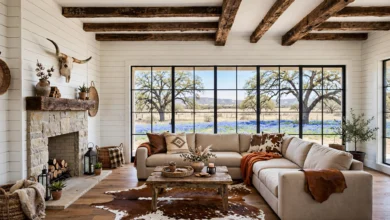
How to Choose the Perfect Sofa for Your Living Room
How to Choose the Perfect Sofa for Your Living Room: 9 essential tips covering size, fabric, frame quality, and comfort before you buy.
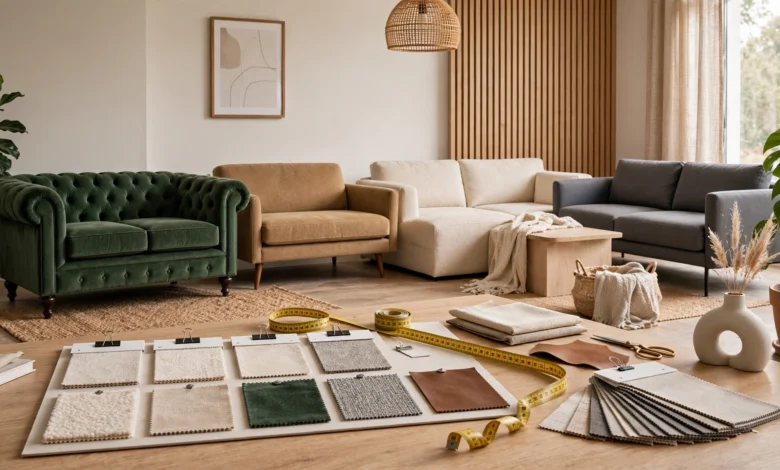
How to Choose the Perfect Sofa for Your Living Room: 9 Essential Tips for a Smart Buy
How to choose the perfect sofa for your living room is a question that seems simple until you’re actually standing in a showroom, faced with a dozen options that all look comfortable and none of which you can picture in your actual space. A sofa is one of the most expensive and long-lasting purchases you’ll make for your home, and it’s also one of the easiest to get wrong. Buy one that’s too big, and it dominates the room. Too small, and it looks lost. Choose the wrong fabric, and you’re dealing with stains or wear within a year. Skip checking the frame construction, and you might be shopping for a replacement sooner than you’d like.
The good news is that choosing the right sofa isn’t about luck or trends. It comes down to a handful of practical factors: size, frame quality, cushion fill, fabric durability, and how well the piece fits your actual lifestyle, not just how it looks in a showroom photo. In this guide, we’ll walk through nine essential steps for finding a sofa that fits your space, your budget, and the way you actually live, whether that means a household with kids and pets or a quieter home focused on comfort and style. By the end, you’ll have a clear framework for narrowing down options instead of getting overwhelmed by choice the next time you’re sofa shopping.
Why Choosing the Right Sofa Matters So Much
A sofa typically anchors the entire living room, both visually and functionally. It’s usually the largest piece of furniture in the space, the first thing people notice when they walk in, and the piece that gets the most daily use of anything in the room. Because of that, getting it wrong has an outsized impact compared to almost any other furniture decision. A poorly scaled or low-quality sofa can throw off an otherwise well-designed room, while a well-chosen one can make even a modest space feel pulled together and comfortable.
This is also one of the more expensive furniture categories, which makes it worth slowing down and being deliberate. According to Consumer Reports’ furniture buying guidance, frame construction and cushion quality are two of the biggest factors in how long a sofa lasts and how well it holds up to daily use, often mattering more than the fabric or style choices that tend to get the most attention. You can review general furniture durability guidance through Consumer Reports.
9 Steps to Choosing the Perfect Sofa for Your Living Room
Here’s a practical, step-by-step framework for narrowing down your options.
1. Measure Your Space Before You Shop
This is the single most important step, and it’s the one people skip most often. Before you even start browsing, measure:
- The length of the wall where the sofa will sit
- The depth of the room to make sure there’s enough clearance for walking paths
- Doorways, hallways, and staircases the sofa will need to pass through during delivery
- Ceiling height, if you’re considering a high-back sofa design
A sofa that looks reasonably sized in a showroom can easily overwhelm a smaller room, or look oddly small in a larger one, if you haven’t measured your actual space first.


2. Decide on the Right Sofa Style for Your Layout
Different sofa styles suit different room shapes and living patterns:
- Standard three-seater sofas work well in most living rooms and offer flexibility for rearranging later
- Sectionals maximize seating in larger or open-plan rooms but can overwhelm smaller spaces
- Loveseats are ideal for compact rooms or as a secondary seating piece
- Modular sofas let you reconfigure the layout over time, which is useful if you move often or like to change up your room
Matching the style to your room’s actual shape, not just personal taste, will save you from a piece that never quite fits right.
3. Prioritize Frame Construction Over Looks
The frame is the part of the sofa you’ll never see, but it’s the single biggest factor in how long the piece will last. Look for:
- Kiln-dried hardwood frames, which resist warping better than softwood or particleboard
- Corner blocks and screwed, glued joints rather than staples alone
- Eight-way hand-tied springs or high-quality sinuous springs for better long-term support
A beautiful sofa with a weak frame will start sagging or creaking within a couple of years, no matter how nice the fabric looks on day one.
4. Test Cushion Fill and Comfort in Person
Cushion fill significantly affects both comfort and how the sofa holds its shape over time. Common options include:
- High-density foam, which holds its shape well and suits firmer seating preferences
- Foam wrapped in down or fiber, which softens the edges of foam while adding some cushioning
- Down and feather blends, which feel very plush but require regular fluffing and tend to flatten faster
- Memory foam blends, which offer pressure relief but can feel too soft for some sitters
Where possible, sit on the actual sofa model for several minutes rather than judging comfort from a quick perch. Comfort that feels fine for two minutes in a showroom can feel very different after an hour of regular use at home.
5. Choose Fabric Based on Real Lifestyle, Not Just Looks
Fabric choice should be driven by how the sofa will actually be used, not just which swatch looks best. Consider:
- Performance fabrics for households with kids or pets, since many are treated to resist stains and are easier to clean
- Leather or faux leather for durability and easy wipe-downs, though it can feel cold in unheated rooms
- Linen or cotton blends for a relaxed look, though they show wrinkles and wear more visibly over time
- Velvet for a luxurious feel, though it can show marks and requires more careful cleaning
If you have young children, pets, or simply a busy household, prioritizing durability and cleanability will save you frustration later, even if it means compromising slightly on the exact texture you originally pictured.
6. Think About Color and Pattern Strategically
A sofa is a long-term investment, and bold color or pattern choices can be harder to update later than smaller decor items like cushions or throws. A common approach is to choose a neutral or versatile base color for the sofa itself, then bring in pattern and personality through cushions, throws, and other accessories that are easier and cheaper to swap out as your taste evolves.
7. Set a Realistic Budget and Understand Where the Money Goes
Sofa prices vary enormously, and understanding where that price difference actually comes from helps you make a smarter decision. Generally, higher prices reflect:
- Better frame construction and joinery
- Higher-quality cushion fill that holds its shape longer
- More durable, higher-grade fabric
- Manufacturing standards, including flame-retardant compliance and stitching quality
It’s often better to spend more on construction quality and choose a simpler fabric than to stretch your budget on a premium fabric over a weak frame that won’t last.
8. Check Delivery Logistics Before You Buy
It’s easy to fall in love with a sofa online only to discover it won’t fit through your front door or up a narrow staircase. Before finalizing a purchase:
- Measure doorway widths, hallway turns, and staircases along the delivery path
- Check whether the sofa comes apart or ships fully assembled
- Ask about delivery lead times, especially for made-to-order pieces
- Confirm the retailer’s return policy in case the sofa doesn’t fit as expected
This step is easy to overlook but can turn an otherwise perfect purchase into a logistical headache if skipped.
9. Look Into Warranty and Safety Standards
A sofa is a long-term purchase, so it’s worth checking what kind of warranty coverage comes with it, particularly around frame and spring construction, which tend to be the most expensive parts to repair. It’s also worth being aware of furniture flammability and safety standards, which vary by country and affect the materials used in cushion fill and fabric treatment. The U.S. Consumer Product Safety Commission provides general guidance on furniture flammability standards that can help you understand what to look for when comparing options. More detail is available through the Consumer Product Safety Commission.
Matching Sofa Choice to Household Needs
Different households have different priorities when it comes to sofa selection.
- Families with young children: Prioritize stain-resistant, easy-clean fabrics and sturdy frame construction that can handle jumping and rough use.
- Pet owners: Look for tightly woven, scratch-resistant fabrics and removable, washable cushion covers.
- Small apartments: Consider loveseats, apartment-sized sofas, or modular pieces that can adapt to the space over time.
- Design-focused buyers: Invest in a higher-quality frame and neutral fabric, then use cushions and accessories to express personal style without limiting future flexibility.
Common Mistakes to Avoid When Buying a Sofa
Even careful shoppers can run into a few common pitfalls. Watch out for:
- Buying based on showroom lighting alone, since fabric colors can look different in your home’s natural light
- Skipping the frame check, focusing only on how the sofa looks and feels in the store
- Underestimating delivery challenges, especially in older homes with narrow staircases
- Choosing trend-driven colors or patterns that may feel dated within a few years
- Ignoring maintenance requirements, particularly with fabrics like velvet or light-colored linen
Quick Checklist Before You Buy
Before finalizing your purchase, run through this quick checklist:
- Have you measured both the room and the delivery path?
- Does the frame use kiln-dried hardwood and solid joinery?
- Have you physically sat on the sofa for several minutes, not just a quick test?
- Does the fabric suit your household’s actual lifestyle?
- Do you understand the warranty coverage and return policy?
If you can check off each of these, you’re in a strong position to make a confident, lasting decision.
Conclusion
Choosing the right sofa comes down to balancing size, construction quality, comfort, and fabric durability against your actual lifestyle and room layout, not just how a piece looks in a showroom. From measuring your space and checking frame construction to testing comfort in person and understanding where your budget actually goes, these nine steps for how to choose the perfect sofa for your living room give you a practical, reliable framework for making a decision you won’t regret. Taking the time to get these details right upfront means you’ll end up with a sofa that fits your space, suits your household, and holds up well for years to come.