How to Style a Living Room on a Tight Budget
How to style a living room on a tight budget using paint, layout, and a few smart swaps that make a real, lasting difference.
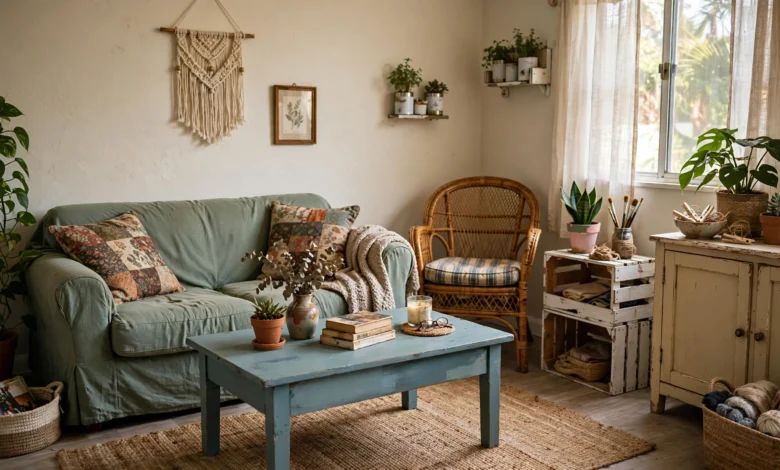
How to Style a Living Room on a Tight Budget
How to style a living room on a tight budget is one of those questions that sounds simple until you actually start looking at furniture prices. A single sofa can cost more than an entire month’s rent, and it’s easy to assume a good-looking living room requires a good-sized bank account. It doesn’t. Some of the most inviting, well-put-together living rooms are built on a shoestring, not because the homeowner got lucky, but because they focused their money on the few things that actually move the needle and skipped the rest.
The trick isn’t cutting corners everywhere. It’s knowing which corners matter. A cheap throw pillow rarely ruins a room, but a poorly arranged layout will undercut even the nicest furniture you own. Paint, lighting, and arrangement do more heavy lifting than most people expect, and none of them require a big budget to get right.
This guide breaks down how to style a living room on a tight budget step by step, covering layout, color, lighting, furniture, and the small details that make a space feel finished rather than half done. None of these ideas require a renovation, a big purchase, or a weekend at a furniture showroom. Most can be done with what you already own, a coat of paint, or a modest trip to a secondhand shop. Whether you’re furnishing your first apartment or refreshing a room you’ve grown tired of, these ideas are built around getting the most visual impact for the least amount of money.
Why Budget Doesn’t Have to Mean Boring
Before getting into specific tactics, it helps to understand why a limited budget doesn’t automatically mean a limited-looking room. Interior designers consistently point to a handful of factors that matter far more than how much you spend:
- Layout matters more than furniture cost. A well-arranged room with modest furniture almost always looks better than an expensive room with a poor layout.
- A cohesive color palette reads as intentional. Mismatched pieces in a consistent color story look far more put-together than expensive pieces that don’t relate to each other.
- Texture and lighting do a lot of visual work. Both are inexpensive to add and make a bigger difference than most people expect.
- A few well-placed statement pieces outperform many small ones. One striking item draws the eye and gives the room a focal point, which is often more effective than a dozen small purchases.
Keeping these principles in mind makes it much easier to prioritize spending when learning how to style a living room on a tight budget.
1. Start With What You Already Own
Before spending a cent, take stock of what’s already in your home. Furniture from a bedroom, dining room, or even storage can often be repurposed into the living room with a fresh arrangement or a new spot.
- Walk through other rooms and note anything that could work in the living room: a side table, an unused lamp, an extra chair.
- Swap decor between rooms rather than buying new. A vase or rug from the bedroom can feel entirely new in a different setting.
- Declutter first. Removing items that don’t belong often does more to improve a room’s look than adding new ones.
This step alone answers a good portion of how to style a living room on a tight budget, since it costs nothing and often reveals pieces you’d forgotten you had.
2. Rearrange Before You Replace
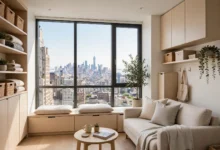
One of the most underrated, completely free ways to improve a living room is simply changing the furniture layout. A new arrangement can make a room feel bigger, more functional, and more intentional without a single purchase.
- Pull furniture away from the walls slightly to create a more conversational, grouped layout.
- Angle a chair or sofa instead of keeping everything squared off against the walls.
- Make sure there’s a clear focal point, a fireplace, television, or window, and arrange seating around it.
- Leave enough walking space (at least 75–90cm) between furniture pieces so the room doesn’t feel cramped.
3. Paint Is the Highest-Impact, Lowest-Cost Change
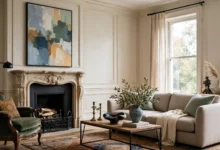
If there’s one universal answer to how to style a living room on a tight budget, it’s paint. A single coat can transform a room’s entire mood for the cost of a few tins and a weekend afternoon.
- Choose a neutral or warm tone that complements your existing furniture rather than requiring you to replace anything.
- Consider painting just one accent wall if a full room feels like too much commitment or cost.
- Repaint an old piece of furniture, a coffee table, bookshelf, or media console, instead of replacing it entirely.
- Update trim and skirting boards in a crisp white; it’s inexpensive and makes the whole room look better maintained.
4. Shop Secondhand and Vintage First
Secondhand furniture and decor have become one of the most effective ways to style a living room without spending retail prices. Facebook Marketplace, thrift stores, estate sales, and local buy-nothing groups regularly turn up solid, well-made furniture at a fraction of new prices.
Where to look:
- Online marketplaces (Facebook Marketplace, Craigslist, Gumtree) for larger furniture pieces
- Thrift and charity shops for lamps, frames, and smaller decor items
- Estate and garage sales for well-built, older furniture that’s often sturdier than new budget pieces
- Local buy-nothing or swap groups for free items in good condition
A little patience here goes a long way. Secondhand shopping takes more time than a single trip to a retailer, but it consistently turns up better-quality pieces for less money.
5. Layer Textures Instead of Buying More Furniture
A room can look expensive without a single expensive item in it, largely through texture. Mixing materials, wood, woven fiber, knit, and metal, adds depth to a space in a way that doesn’t require major purchases.
- Add a throw blanket in a contrasting texture to an existing sofa
- Swap in a new rug, even a budget one, to visually ground the seating area
- Mix in a few woven baskets or ceramic pieces for texture on shelves or side tables
- Layer cushion covers rather than buying entirely new pillows
Because these items are small, they’re one of the most affordable parts of learning how to style a living room on a tight budget while still making a visible difference.
6. Upgrade Lighting Before Anything Else
Overhead lighting alone rarely makes a room feel finished, and it’s often the single easiest fix in a budget-conscious refresh. A pair of table lamps or a floor lamp can change the entire mood of a living room for a relatively small cost.
- Swap harsh overhead lighting for warmer, layered sources: a floor lamp, a table lamp, or string lights.
- Choose warm-toned bulbs (around 2700K) for a cozier, more inviting glow.
- Position a lamp near a reading chair or sofa corner to create a defined, usable space within the room.
According to the U.S. Department of Energy, choosing the right light bulbs and fixtures can also reduce energy costs over time, which matters when you’re budgeting for the long term rather than just the initial purchase.
7. Add One Statement Piece Instead of Many Small Ones
When money is tight, it’s tempting to buy a lot of small, cheap items to fill a room. In practice, one well-chosen statement piece, a bold piece of art, an interesting mirror, or a single accent chair, usually has more visual impact than a dozen small purchases.
- Look for a single item that draws the eye: an oversized mirror, a patterned rug, or a piece of original or vintage art.
- Let that piece set the tone for smaller, cheaper additions around it.
- Resist the urge to fill every empty surface; a little negative space often reads as more intentional than a fully decorated one.
8. Bring in Greenery for Almost No Cost
Plants are one of the cheapest ways to add color, life, and texture to a living room, and many low-maintenance varieties cost very little compared to most decor items.
- Choose hardy, low-light plants like pothos or snake plants if your living room doesn’t get much sun.
- Group a few plants at different heights for a more layered, natural look.
- Use a thrifted or repurposed container instead of buying a new plant pot.
- Consider a few stems of dried greenery or pampas grass for a no-water, long-lasting option.
9. DIY Artwork and Personal Touches
Original art can be expensive, but wall decor doesn’t have to be. Framed prints, DIY pieces, or even personal photography can fill wall space affordably while adding character that store-bought decor often lacks.
- Frame free or low-cost printables found online
- Create a small gallery wall using thrifted frames in mismatched but complementary styles
- Display personal photography, travel finds, or textiles as wall art
- Use leftover wallpaper, fabric scraps, or wrapping paper as inexpensive framed art
For more general guidance on budgeting for home projects without overspending, the Consumer Financial Protection Bureau’s guide to budgeting offers a useful framework for prioritizing spending on home improvements over time.
Common Mistakes to Avoid on a Tight Budget
Even with the best intentions, a few habits can undercut an otherwise budget-friendly refresh:
- Buying too many small items instead of investing in one or two pieces that make a real impact
- Skipping the layout step and going straight to shopping, which often leads to pieces that don’t actually fit the space
- Choosing cheap over durable, especially for high-use items like sofas, which can cost more in the long run if they wear out quickly
- Overlooking lighting, leaving a room dependent on a single, often unflattering overhead fixture
- Rushing the process instead of taking time to shop secondhand, which usually yields better quality for less money
Final Thoughts
Learning how to style a living room on a tight budget comes down to prioritizing the changes that make the biggest visual difference: a smart layout, a fresh coat of paint, layered lighting, and a few well-chosen textures or statement pieces. None of these require a large purchase or a full renovation, and several, rearranging furniture, decluttering, shopping your own home first, cost nothing at all. The living rooms that feel the most finished usually aren’t the most expensive ones; they’re the ones where every choice, however small, was made with intention. Start with what you already have, spend where it counts, and the rest of the room will follow.
Keywords: