Landscape Designer Advice for Homes in Florida
Landscape designer advice for Florida homes: how to plan for heat, hurricanes, and sandy soil before you invest in your yard.
Landscape Designer Advice for Florida Homes: 8 Essential Tips for a Resilient Yard
Landscape designer advice for homes in Florida almost always starts in the same place: heat, humidity, and the very real possibility of a hurricane. Florida’s climate is unlike most of the country, and a design that would thrive in Ohio or Oregon can wilt, rot, or blow away within a single season here. That’s not meant to discourage anyone. It just means the planning stage carries more weight than it does in milder climates.
This guide covers what a landscape designer in Florida actually factors into a project, from sandy soil and salt exposure near the coast to storm-resistant plant choices and local water restrictions that most homeowners don’t know about until they’ve already broken ground. Whether you’re in Tampa, Orlando, Miami, or a smaller inland town, the fundamentals of designing for Florida’s subtropical climate stay largely the same, even if the specific plant list shifts slightly by region.
By the end of this article, you’ll understand what makes Florida landscape design genuinely different from other parts of the country, which plants and materials actually hold up here, and what questions to ask before hiring a designer for your property. We’ll also cover Florida-Friendly Landscaping guidelines, hurricane-resistant planning, and common mistakes that lead to a yard needing constant repair after the first big storm season. Getting these fundamentals right upfront saves both money and a lot of frustration down the road.
Why Florida Landscaping Requires a Different Playbook
Florida’s climate presents a unique combination of challenges that most other states don’t deal with all at once. A knowledgeable landscape designer builds a plan around these realities rather than fighting them:
- Intense heat and humidity for much of the year, which stresses plants not bred for subtropical conditions
- Sandy, fast-draining soil in much of the state, very different from the clay or loam common elsewhere
- Hurricane and tropical storm exposure, which affects tree selection and structural placement
- Salt exposure for coastal properties, which limits which plants can survive near the water
- Water use restrictions, since many Florida water management districts limit irrigation schedules
A design that ignores any of these factors tends to look great for a season and then struggle, or fail outright, once the state’s weather does what it typically does.
1. Understand Florida’s Sandy Soil Before Planting Anything
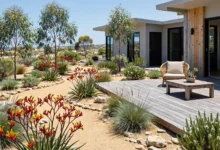
Much of Florida sits on sandy soil, which drains extremely quickly and holds far less nutrients and moisture than soil in most other regions. This changes almost everything about how a garden gets planned.
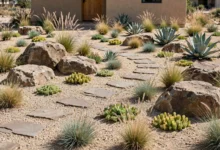
A proper soil assessment for a Florida property typically checks:
- Soil texture and drainage speed
- pH level, since Florida soils range widely depending on region
- Organic matter content, which is often low in native sandy soil
- Salt content, particularly important for coastal or low-lying properties
Because sandy soil drains so fast, a designer will often recommend working in compost or organic matter to improve water and nutrient retention, or choosing plants specifically adapted to lean, well-drained conditions rather than fighting the native soil.
2. Choose Plants Suited to Florida’s Subtropical Climate
Plant selection is where landscape designer advice for Florida homes matters most. Plants that thrive in temperate climates often struggle badly here, while Florida-native and subtropical species handle the heat, humidity, and occasional drought far better.
Plants commonly recommended for Florida landscapes include:
- Coontie palm, a hardy native that tolerates heat, drought, and poor soil
- Muhly grass, an ornamental grass known for its striking pink bloom in fall and excellent drought tolerance
- Firebush, a native flowering shrub that attracts pollinators and handles Florida heat well
- Live oak, a classic Florida shade tree known for storm resilience
- Bougainvillea, a popular flowering vine for warmer, drier microclimates
The University of Florida’s Florida-Friendly Landscaping program is one of the most reliable resources for region-specific plant recommendations, since it accounts for both climate suitability and water conservation, which matters a great deal given the state’s irrigation restrictions.
3. Plan for Hurricane and Storm Resilience
Hurricane season runs from June through November across most of Florida, and a well-designed landscape takes storm exposure into account from the start rather than treating it as an afterthought.
Storm-resilient design choices include:
- Choosing wind-resistant tree species like live oak or sabal palm over more brittle trees prone to snapping
- Avoiding large trees planted too close to structures, where falling limbs or uprooted trees can cause damage
- Securing loose hardscaping elements like gravel or lightweight decorative features that can become projectiles in high winds
- Grading the yard properly so storm runoff drains away from the home rather than pooling near the foundation
A designer experienced with Florida properties will also think about what happens to a planting scheme after a storm, since some plants recover quickly from wind and flood stress while others don’t.
4. Factor In Water Restrictions and Irrigation Rules
Florida’s water management districts regulate irrigation schedules across most of the state, and a landscape plan built without this in mind can run into real problems, both legally and in terms of plant survival.
Key considerations include:
- Local watering day restrictions, which vary by district and sometimes by time of year
- Drought-tolerant plant selection to reduce dependency on irrigation altogether
- Rain sensors or smart irrigation controllers, often required or strongly recommended for new systems
- Mulching to retain soil moisture and reduce watering frequency
Designing around these restrictions from the start, rather than assuming unlimited irrigation access, leads to a landscape that survives dry stretches without violating local water rules.
5. Consider Salt Tolerance for Coastal Properties
If your property sits anywhere near the coast, salt spray and occasional saltwater intrusion into groundwater can quickly kill plants that aren’t specifically salt-tolerant.
Salt-tolerant plants commonly used in coastal Florida landscaping include:
- Sea grape, a hardy coastal shrub or small tree that handles salt spray well
- Beach sunflower, a low-growing groundcover that tolerates sandy, salty conditions
- Cocoplum, a versatile shrub used widely in South Florida coastal landscaping
- Saw palmetto, a native palm extremely tolerant of poor, salty soilA landscape designer working on a coastal property will typically test soil salinity and assess prevailing wind direction before finalizing a plant list, since even a few hundred feet from the water can make a meaningful difference in salt exposure.
6. Design for Shade and Heat Relief
Florida’s intense summer heat means outdoor living spaces need built-in shade to stay usable for most of the day. This is often less about plant selection and more about how the overall landscape is structured.
Common shade strategies include:
- Pergolas or shade sails over patios and seating areas
- Strategic tree placement to shade south- and west-facing walls, which reduces cooling costs as a side benefit
- Covered walkways connecting outdoor structures
- Layered plantings that create natural microclimates cooler than open lawn areas
Without intentional shade planning, many outdoor spaces in Florida simply go unused during the hottest months, which defeats the purpose of investing in landscaping in the first place.
7. Understand HOA and Local Regulations
Many Florida communities, particularly newer developments, operate under homeowners’ associations with specific landscaping rules. Before finalizing any design, it’s worth checking:
- Approved plant lists or restrictions on certain species
- Rules around fencing height and materials
- Front-yard landscaping requirements, common in planned communities
- Water feature or hardscaping approval processes
Some municipalities also have separate rules protecting native trees or requiring permits for removal, so it’s worth checking with your local building or zoning department before removing any established trees as part of a redesign.
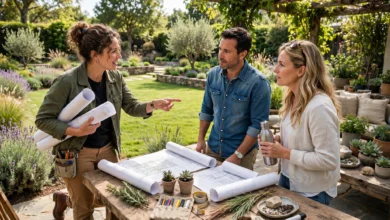
8. Hire a Designer With Florida-Specific Experience
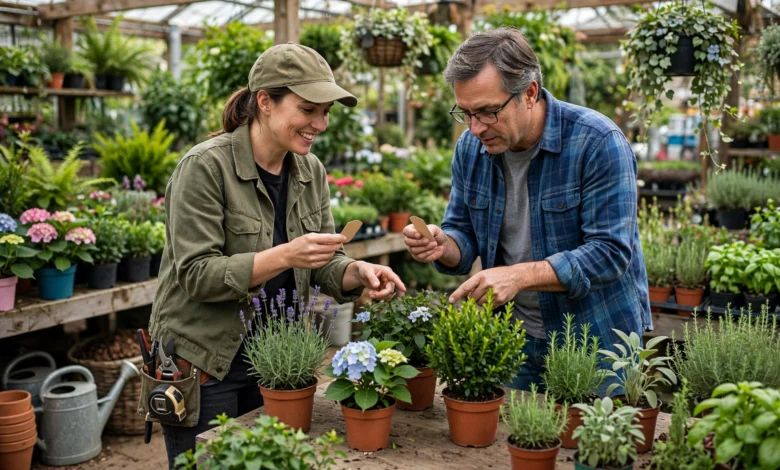
Not every landscape designer, even a skilled one, has hands-on experience with Florida’s specific combination of heat, sandy soil, and storm exposure. Someone used to designing for a temperate climate may default to plant choices and materials that simply don’t hold up here.
When evaluating a landscape designer for a Florida home, ask:
- Have you designed projects specifically in Florida’s climate zone, and can I see examples that have held up over a few years?
- How do you approach irrigation given local water restrictions?
- What’s your plan for storm resilience in tree and structural placement?
- Are you familiar with Florida-Friendly Landscaping principles?
A designer who answers these specifically, rather than generically, is a strong signal they understand what makes Florida landscaping different from the rest of the country. The Florida Department of Environmental Protection also maintains useful statewide landscaping and water conservation resources worth reviewing before finalizing a large-scale project.
Common Mistakes to Avoid in Florida Landscaping
A few issues come up again and again in Florida landscape projects:
- Planting non-native species that require excessive water and fertilizer to survive the climate
- Ignoring hurricane exposure when choosing and placing trees
- Underestimating soil drainage speed, leading to plants that dry out faster than expected
- Skipping salt tolerance checks for coastal or near-coastal properties
- Overlooking HOA rules, resulting in costly redesigns after installation
Conclusion
Landscape designer advice for homes in Florida consistently comes back to designing around the state’s climate rather than against it: sandy, fast-draining soil, intense heat, hurricane exposure, and in many areas, salt and water restrictions that don’t exist elsewhere in the country. Choosing native and subtropical plants, planning for storm resilience, and understanding local water and HOA rules upfront leads to a landscape that survives Florida’s toughest seasons rather than needing constant repair after them. Get these fundamentals right, and a Florida yard can stay genuinely beautiful and functional year-round, not just during the milder months.